
Stormproof casement windows: A specifier’s guide
Stormproof casement windows use a lipped, overlapping sash that closes proud of the outer frame, creating a physical barrier against...
Read MoreLast Updated: 14 August 2026
Yes – timber windows consistently add measurable value to a property, both at point of sale and over the full lifespan of the building. For developers, architects and contractors advising clients on long-term investment decisions, the financial case is straightforward: high-quality wooden windows improve kerb appeal, strengthen energy efficiency ratings, and carry a service life that outlasts most alternative products on the market. The question is not whether they add value, but how much, and where the return is greatest.
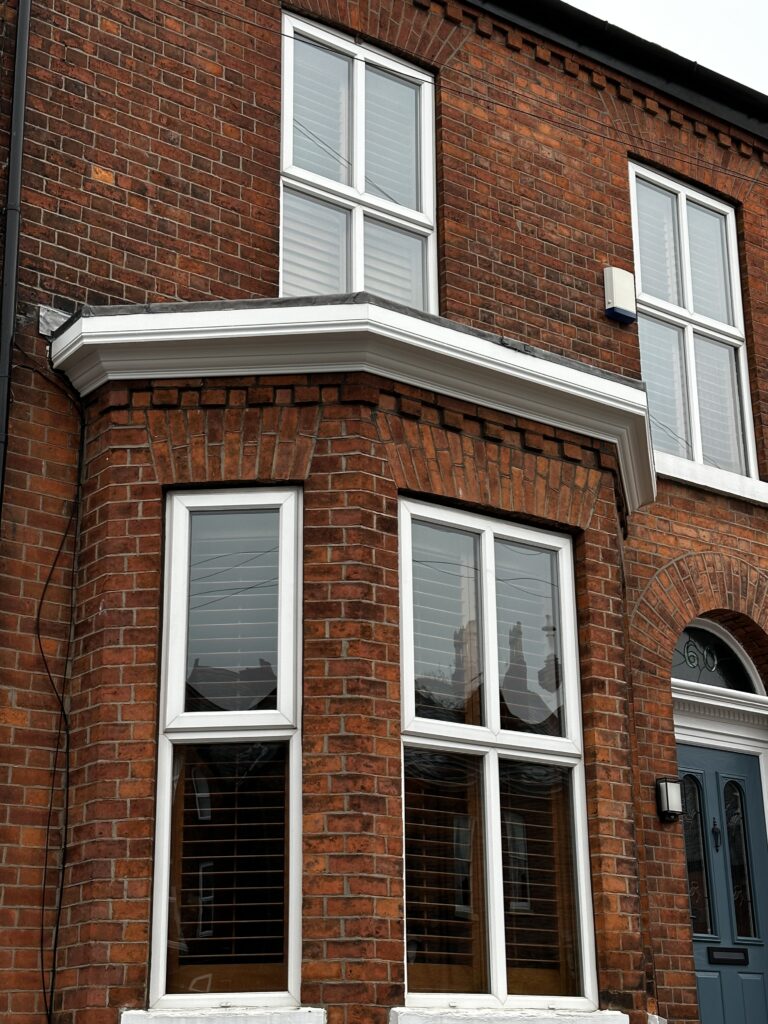
Estate agents often talk about the ten-second rule – buyers form a view of a property before they reach the front door. Windows account for a large proportion of that first impression, and timber frames read as quality in a way that uPVC rarely does.
For period properties in particular, wooden windows are not simply a design choice. They are an authenticity signal. A Victorian terrace or an Edwardian semi with sympathetically matched timber sash windows will typically draw stronger buyer interest than a comparable property fitted with uPVC units. Rightmove data has consistently shown that period features, including original or period-appropriate windows, are among the top-cited reasons buyers pay a premium.
The energy performance of modern engineered timber windows is often misunderstood. Many buyers and even some specifiers still associate wood with draughty old frames. Contemporary timber windows, particularly those manufactured from modified or engineered wood with double or triple glazing, perform to the same thermal standards as the best uPVC products, and in some cases exceed them.
Timber is a natural insulator. Its thermal conductivity is markedly lower than aluminium and comparable to uPVC. When combined with high-performance glazing units, a timber frame can achieve U-values well below 1.4 W/m²K, the threshold required under current Building Regulations Part L for new dwellings.
The long-term financial case for wooden windows rests heavily on service life. Here is where the comparison with uPVC becomes stark.
| Product type | Typical lifespan | Manufacturer guarantee |
| Standard uPVC | 20–35 years | 10 years (typical) |
| Softwood timber | 30–60 years (maintained) | Variable |
| Engineered/modified timber (e.g. Accoya) | 60–80+ years | 50 years above ground |
| Hardwood timber | 50–70 years (maintained) | Variable |
GB Joinery is an Accoya Approved Manufacturer and has been working with Accoya modified wood since 2008. Accoya is produced through a non-toxic acetylation process that permanently alters the cell structure of the timber, making it highly resistant to rot, swelling and warping. Its 50-year above-ground guarantee is one of the strongest available in the market for any window product.
The perception that timber windows are high-maintenance is outdated. It applies to poorly specified softwood frames from 30 years ago, not to modern engineered timber products.
With Accoya or similar modified timber, a standard maintenance regime involves:
Compare that to uPVC, which requires no painting but does degrade, yellowing, becoming brittle and losing its structural integrity, typically within 20–30 years, at which point the entire frame must be replaced rather than maintained.
Over a 60-year period, the total cost of ownership for a well-specified timber window is typically lower than for two or three uPVC replacement cycles, when you factor in labour, disposal and installation costs for the replacements.
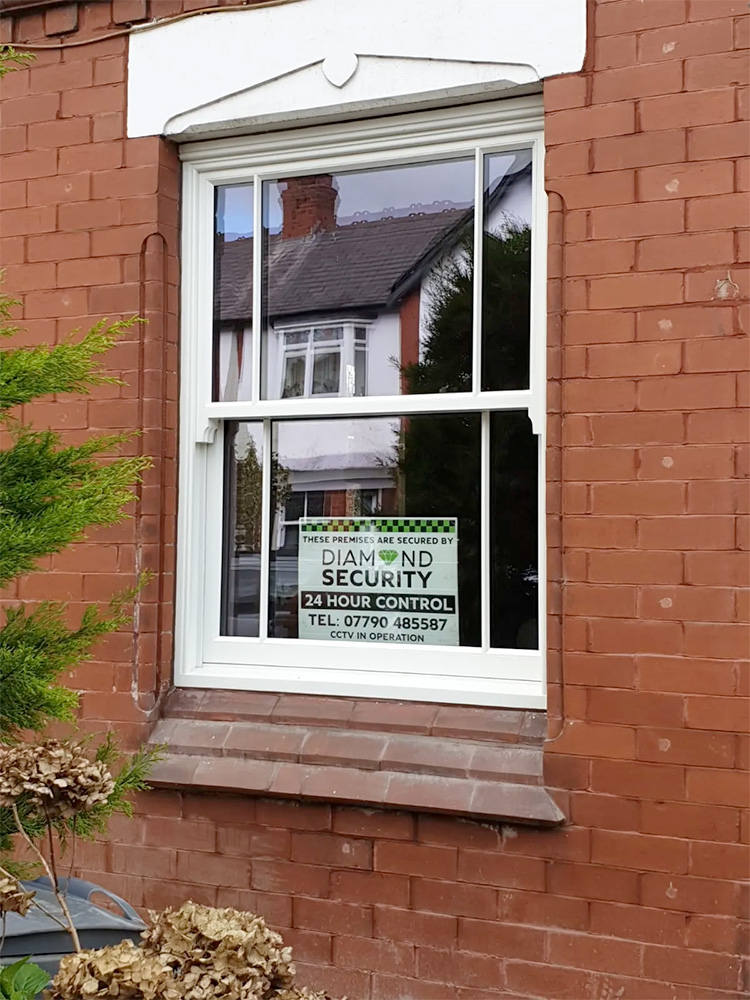
Not every project sees the same wooden windows ROI. The return is highest where:
For new-build schemes, timber windows also carry a marketing advantage. Buyers who see Accoya, hardwood or engineered timber specified in a new home understand they are looking at a quality build, and that perception influences both the sale price achieved and the speed at which units are reserved.
If you are specifying windows for a project and want to understand which timber product is right for the application, whether that is Accoya, hardwood or an engineered softwood – the team at GB Joinery has been manufacturing bespoke joinery for contractors and developers for over 20 years. Get in touch online to discuss your project requirements or call us on 0161 477 1818.
Stormproof casement windows use a lipped, overlapping sash that closes proud of the outer frame, creating a physical barrier against...
Read MoreFor construction and renovation projects, selecting the right timber window suppliers can have a significant impact on quality, project timelines,...
Read MoreMade to measure wooden windows give contractors a precise fit for every opening, regardless of size or shape. No cutting...
Read MoreFor anyone restoring or upgrading a period property, few decisions carry as much weight as choosing the right windows. In...
Read More

.png/v1/fill/w_180,h_180/yell-logo-full-bleed-190%20(002).png)
