Wooden windows ROI: Do they add value to a property?
Yes – timber windows consistently add measurable value to a property, both at point of sale and over the full...
Read MoreLast Updated: 24 November 2025
When it comes to specifying timber windows for modern construction and renovation projects, architects and contractors need more than aesthetic appeal, they need robust performance data, reliable manufacturing standards, and consistent lead times. For over a decade, GB Joinery has specialised in designing and manufacturing premium, specification-grade timber products for the professional market, offering dependable turnaround times and exceptional customer support.
This in-depth guide explores the technical performance of timber windows, examines design considerations, and compares timber with uPVC and aluminium.
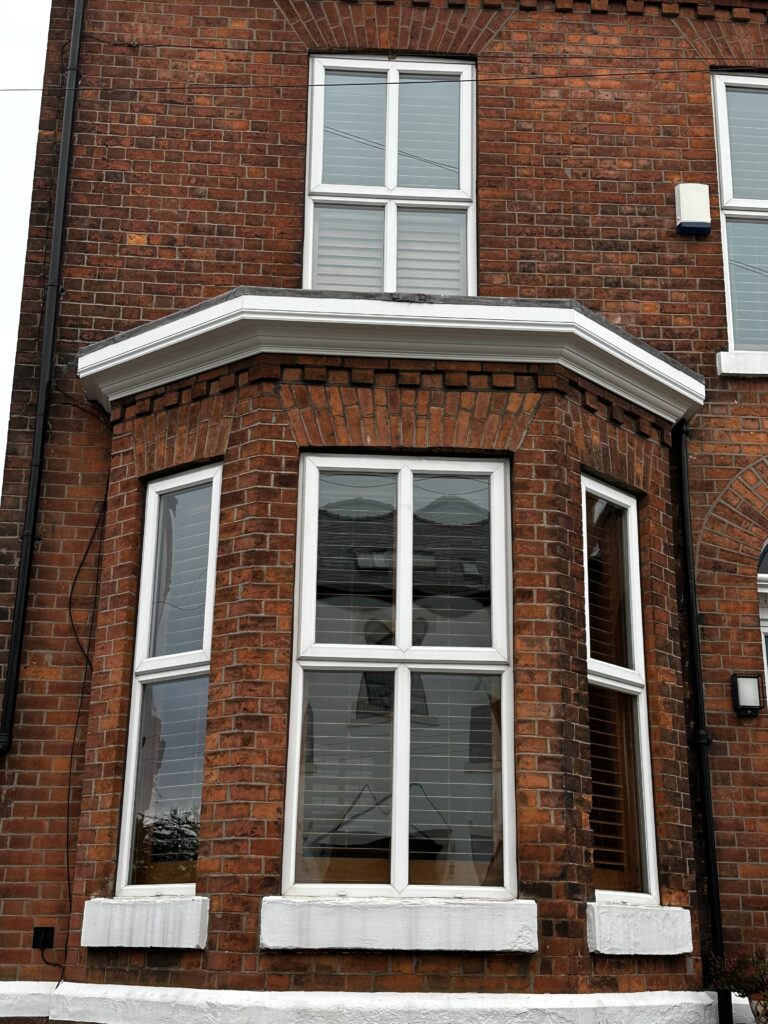
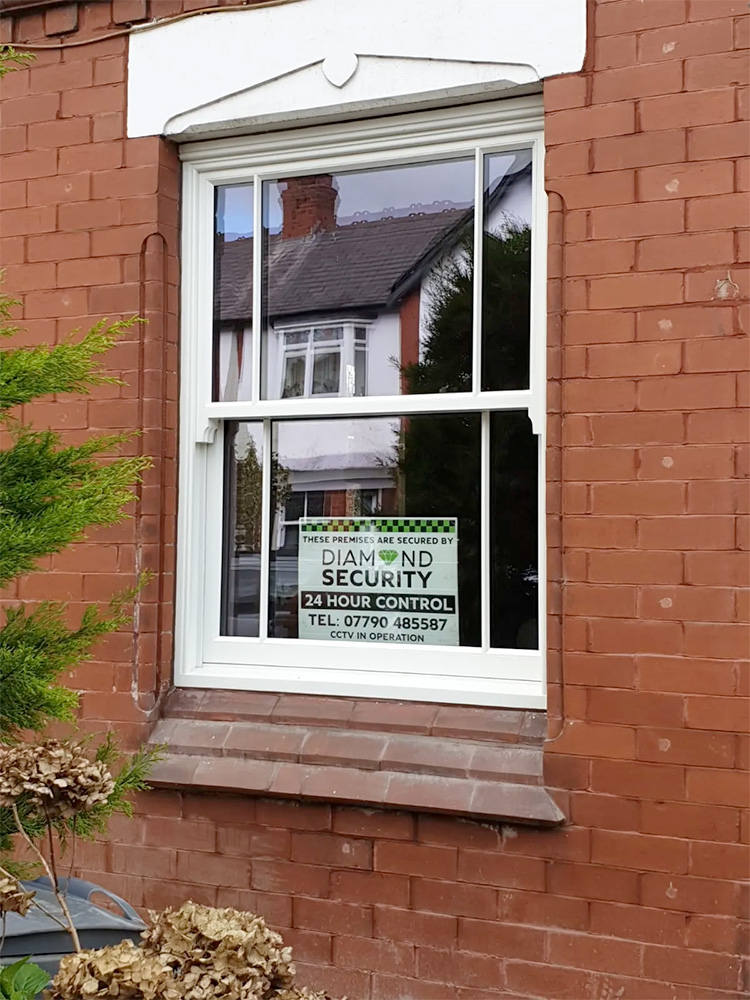
Traditional vertical sliding sash windows remain a favourite for heritage homes and period-style developments. Modern manufacturing allows for:
Ideal for conservation areas where authenticity matters.
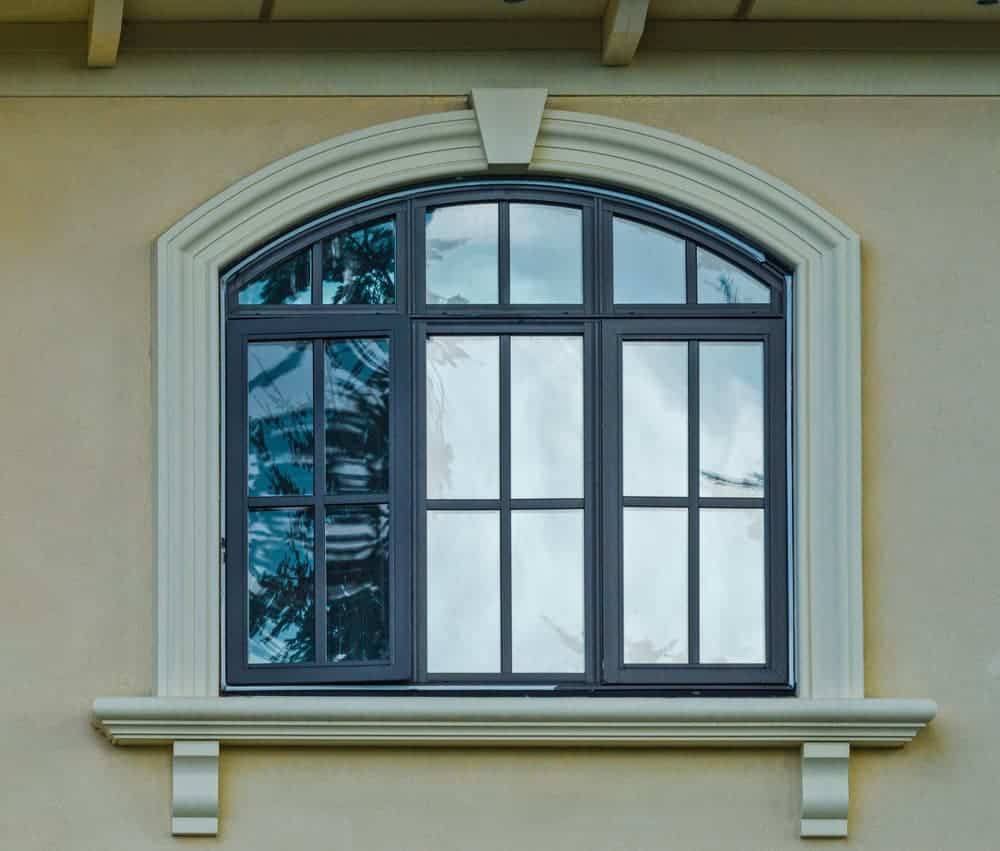
Side-hinged casement windows are versatile, energy-efficient, and suitable for both contemporary and traditional builds. They can be top-hung or side-hung depending on ventilation and design requirements.
With sashes that sit flush within the frame, flush casement windows offer clean, modern lines. They’re popular in minimalist designs and new-build homes seeking a sleek, understated aesthetic.
For improved access, ventilation control, and easy cleaning, tilt & turn windows provide dual functionality. They’re favoured in multi-storey residential schemes and commercial projects requiring flexible operation.
Professionals must evaluate not only appearance but also measurable performance indicators. Below is a breakdown of the key technical metrics:
Timber’s low thermal conductivity minimises the risk of thermal bridging, reducing cold spots and condensation risks.
High-quality timber windows, particularly those manufactured by experienced joiners such as GB Joinery, deliver exceptional air-tightness due to precision joinery and premium gasket systems.
Accoya is a modified timber treated through acetylation, offering:
It’s a preferred choice for high-performance, low-maintenance timber windows.
Oak delivers:
Ideal for prestige projects or listed buildings requiring authenticity.
Premium hardwoods provide:
Often used where structural integrity and long lifespan are priorities.
When professionally manufactured and properly finished, timber windows can outlast uPVC alternatives. Key maintenance factors include:
In contrast:
Timber remains one of the most sustainable and renovation-friendly materials available.
For specification-grade windows, ensure compliance with:
GB Joinery designs products that are built to meet or exceed these standards, giving professionals confidence in quality and compliance.
Costs vary by:
While timber may have a slightly higher initial cost, its lifespan, reparability, and sustainability credentials often deliver superior long-term value.
For over 10 years, GB Joinery has built a reputation for:
Whether you’re designing contemporary new builds or restoring heritage properties, GB Joinery delivers windows engineered for performance, longevity, and aesthetic excellence.
Looking to specify high-performance timber windows? Explore more at GB Joinery your trusted partner for specification-grade timber window solutions. For more information about our high performing timber windows call 0161 477 1818 or contact us online.
Yes – timber windows consistently add measurable value to a property, both at point of sale and over the full...
Read MoreStormproof casement windows use a lipped, overlapping sash that closes proud of the outer frame, creating a physical barrier against...
Read MoreFor construction and renovation projects, selecting the right timber window suppliers can have a significant impact on quality, project timelines,...
Read MoreMade to measure wooden windows give contractors a precise fit for every opening, regardless of size or shape. No cutting...
Read More

.png/v1/fill/w_180,h_180/yell-logo-full-bleed-190%20(002).png)