
Wooden windows ROI: Do they add value to a property?
Yes – timber windows consistently add measurable value to a property, both at point of sale and over the full...
Read MoreLast Updated: 28 November 2025
Some of the most important considerations for wood window manufacturing are precision, consistency, and material integrity. For architects and building contractors specifying performance-led fenestration, understanding how timber windows are made can significantly influence product choice, installation planning, and long-term building performance.
For over a decade, GB Joinery has been at the forefront of premium timber window production, combining expert craftsmanship, modern CNC technology, dependable turnaround times, and exceptional customer support. This behind-the-scenes blog reveals exactly how our specification-grade windows are created, from sustainably sourced timber to final inspection.
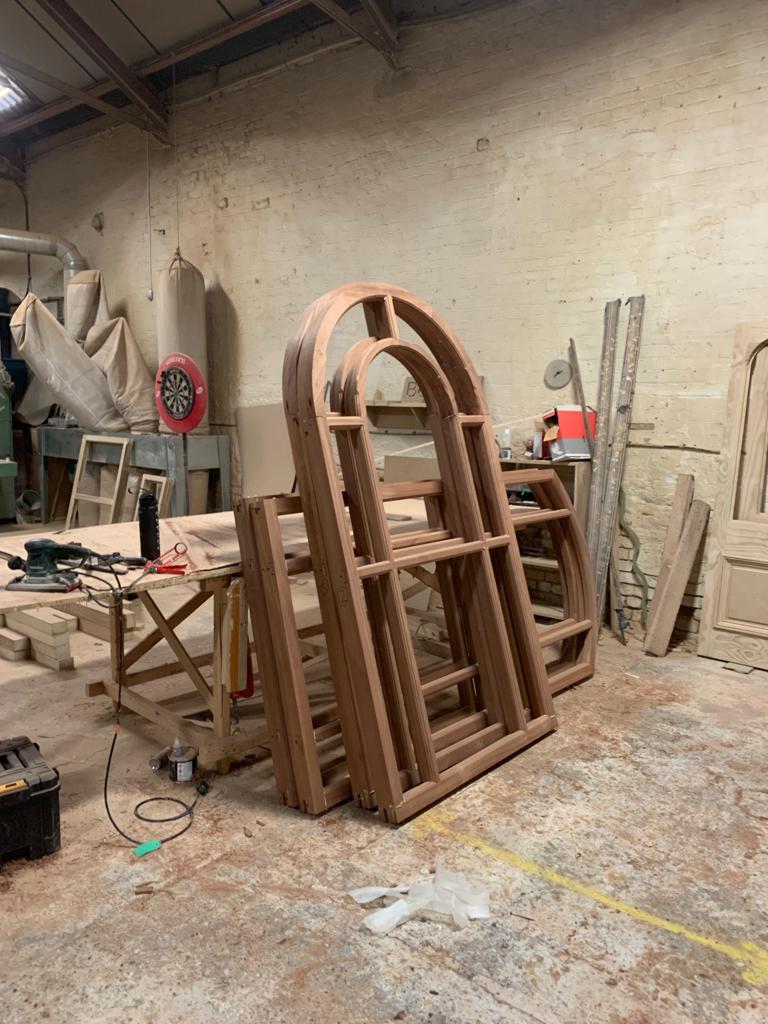
Every high-performance wood window begins with the right raw material. At GB Joinery, we source FSC® and PEFC-certified timber, ensuring full chain-of-custody traceability and sustainable forest management.
Timber species selection
Different projects require different wood characteristics. At GB Joinery, we commonly work with:
These species provide the dimensional stability, durability, and low thermal conductivity essential for modern fenestration.
Before a single component is machined, timber moisture content is checked using calibrated moisture meters.
Why moisture levels matter
GB Joinery’s timber is conditioned to industry-recommended moisture levels, guaranteeing stability throughout the manufacturing process.
Modern CNC machinery allows the team at GB Joinery to combine traditional craftsmanship with digital accuracy.
Timber is planed and profiled into frame components using:
This ensures perfectly matched sash profiles, casement frames, and tilt & turn components across repeat orders, ideal for phased developments.
This level of precision is essential for architects working with tight tolerances or bespoke detailing.
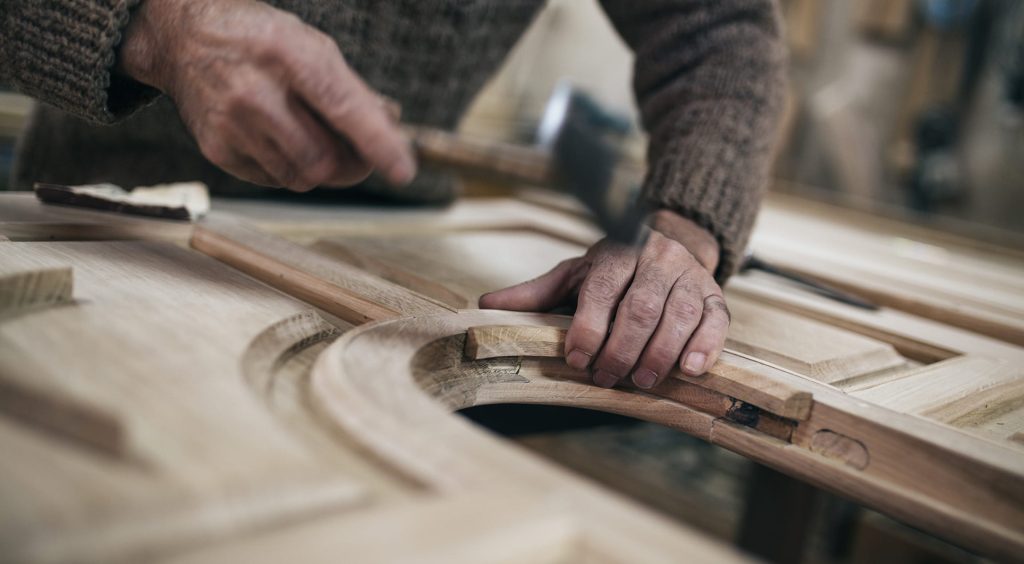
Once profiled, components move to the assembly department where skilled joiners carry out:
Before windows advance to finishing, joiners inspect:
This stage ensures each frame meets the structural demands of modern building regulations.
One of the biggest advantages of GB Joinery’s facility is its in-house finishing department.
Factory finishes include:
Professionals benefit from windows that arrive ready to install, with optimal durability and aesthetic consistency.
The glazing stage uses thermally efficient sealed units, tailored to the project’s requirements:
Premium hardware including friction stays, sash balances, and locking systems ensures:
Hardware is tested before dispatch to guarantee flawless performance on-site.
GB Joinery’s rigorous quality control process acts as the final checkpoint before dispatch.
Inspection criteria include:
Every window is manufactured to meet or exceed Part L, Part Q, and relevant British Standards, giving specifiers total confidence in compliance.
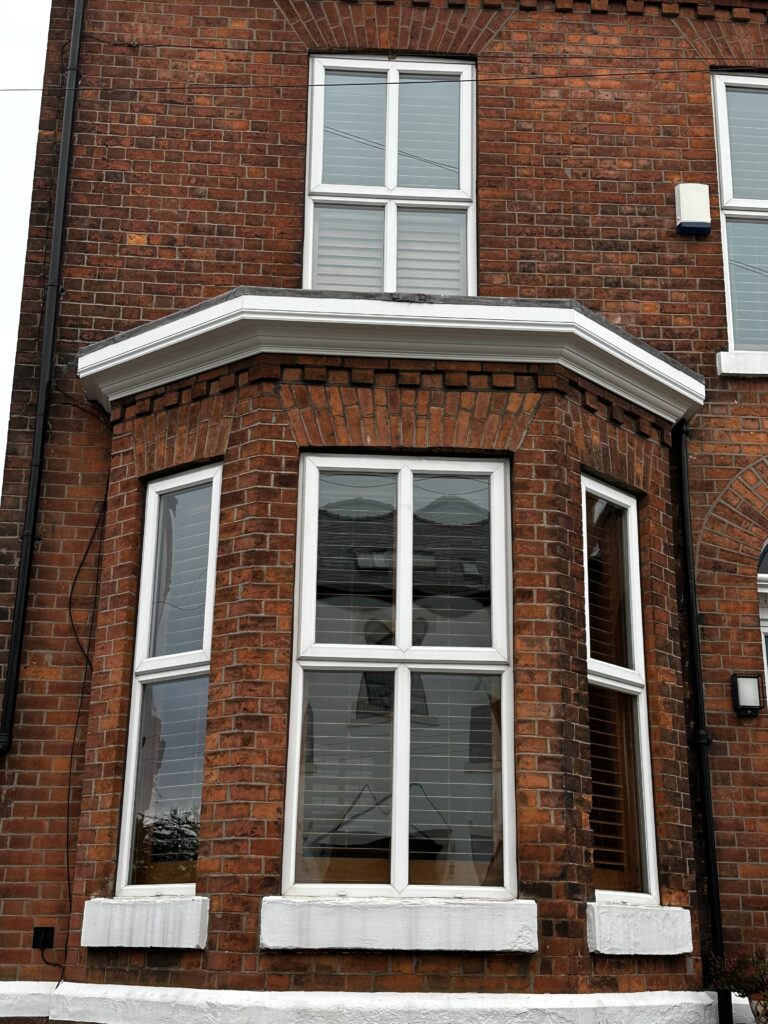
For over 10 years, GB Joinery has consistently delivered:
Architects and contractors value GB Joinery’s ability to produce high-performance, aesthetically refined timber windows tailored to demanding project requirements.
If you’d like to find out more about working with GB Joinery, get in touch today. For more information about any of our products or services call 0161 477 1818 or send us a message online and we’ll get back to you as quickly as possible.
Yes – timber windows consistently add measurable value to a property, both at point of sale and over the full...
Read MoreStormproof casement windows use a lipped, overlapping sash that closes proud of the outer frame, creating a physical barrier against...
Read MoreFor construction and renovation projects, selecting the right timber window suppliers can have a significant impact on quality, project timelines,...
Read MoreMade to measure wooden windows give contractors a precise fit for every opening, regardless of size or shape. No cutting...
Read More

.png/v1/fill/w_180,h_180/yell-logo-full-bleed-190%20(002).png)
