
Wooden windows ROI: Do they add value to a property?
Yes – timber windows consistently add measurable value to a property, both at point of sale and over the full...
Read MoreLast Updated: 28 November 2025
When you’re specifying windows for exposed or coastal locations, compromising on weather performance simply isn’t an option. Stormproof casement windows represent a significant step up from standard timber window solutions, offering the robust weather resistance that challenging sites demand. Whether you’re working on new-build developments in the North West or renovating period properties on windswept coastlines, understanding the technical capabilities and performance credentials of storm-resistant windows is essential for project success.
At GB Joinery, we’ve spent over a decade perfecting our approach to manufacturing specification-grade timber windows that don’t just meet industry standards, they exceed them. This blog explores what makes stormproof casement windows the preferred choice for architects, contractors, and developers working in demanding environments.
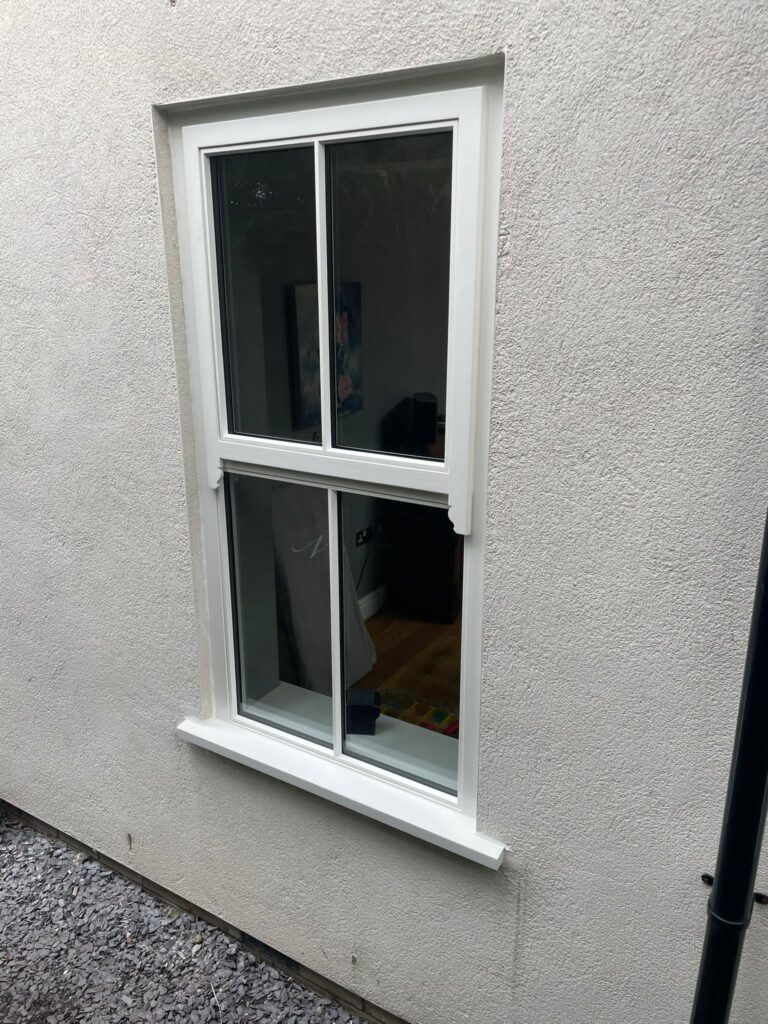
Building in exposed or coastal environments presents unique challenges. Regular casement windows, while aesthetically pleasing and functional in moderate climates, simply aren’t engineered to withstand the sustained assault of driving rain, high winds, and salt-laden air that characterise more challenging locations.
Stormproof casement window systems are purpose-designed to provide enhanced weather tightness, wind resistance, and durability in these demanding conditions. Rather than relying on standard weatherproofing measures, these windows incorporate multiple performance-enhancing features that work together to create a comprehensive weather defence system.
The key difference lies in the engineering. Storm-resistant casement windows feature overlapping sashes, upgraded gasket systems, and precision-engineered hinges that collectively deliver superior performance credentials. For project managers and contractors, this translates into fewer weather-related defects, reduced warranty claims, and enhanced property longevity.
The overlapping sash design stands at the heart of effective stormproof performance. Rather than meeting flush at a single point, the two sashes on a stormproof casement window overlap significantly creating multiple sealing planes.
This overlap serves several critical functions:
Enhanced drainage pathways mean that any water penetrating the outer seal is channelled away safely through dedicated drainage systems rather than entering the frame cavity. This is particularly important in exposed coastal regions where wind-driven rain can be almost horizontal during severe weather events.
Reduced air leakage through the sash interface occurs because the overlap increases the effective sealing depth. When tested under high wind pressures, overlapping sashes maintain their seal integrity far more effectively than standard flush-fitting designs.
Improved rigidity across the sash closing plane minimises flexing and racking, the slight movement that can occur in standard windows under extreme wind loading. By maintaining consistent contact pressure between the overlapping elements, these windows preserve their weather seal even under sustained pressure variations.
For architects and developers specifying windows for exposed moorland, clifftop locations, or coastal developments, the overlapping sash configuration represents a fundamental design advantage over conventional casement solutions.

Standard window gaskets are typically single-layer profiles offering basic weather sealing. Stormproof casement windows, by contrast, employ sophisticated multi-layer gasket systems specifically formulated to withstand challenging environmental conditions.
Primary outer gaskets form the first line of defence against weather ingress. These profiles are manufactured from premium materials selected for their resistance to UV degradation, temperature cycling, and salt-air corrosion. Unlike standard gaskets that can become brittle and crack within 5-10 years in coastal environments, specification-grade gaskets remain flexible and effective for 15+ years.
Secondary inner gaskets provide an additional weatherproofing layer, creating a dual-seal configuration that significantly exceeds industry minimum standards. This design means that even if the outer gasket sustains minor damage, the inner seal maintains weather tightness until repairs can be arranged.
Pressure-adaptive gaskets are a particularly innovative development in storm-resistant window design. These specialist profiles increase their sealing pressure as wind loading increases, rather than remaining static. This dynamic response ensures that performance improves under the extreme conditions where it’s most needed.
The gasket selection process for stormproof windows also considers compatibility with the underlying frame materials, expansion and contraction cycles, and long-term environmental exposure. This level of specification detail is precisely what distinguishes premium timber window manufacturers from standard producers.
The humble hinge is a critical component in stormproof window performance, yet it’s often overlooked by those unfamiliar with technical window specifications.
Heavy-duty friction hinges on stormproof casement windows are engineered to several demanding criteria:
Sustained load capacity ensures that the hinge can support the sash weight even as wind pressure flexes the frame structure. Standard hinges may allow slight sash movement under extreme loading, compromising the gasket seal; specification-grade friction hinges maintain rigid positioning throughout the wind event. This is paramount in coastal and exposed environments.
Premium hinges utilise stainless steel or hot-dip galvanised components combined with precision engineering tolerances that resist salt-air degradation. The internal friction mechanism, typically a combination of precision ball bearings and controlled friction washers, maintains smooth operation throughout decades of use, even in challenging coastal climates.
Controlled opening force prevents the sash from swinging open unexpectedly in high winds once the window has been opened. This safety feature is particularly important in multi-storey residential and commercial developments where wind gusts could otherwise catch an open sash dangerously.
Thermal performance is increasingly important as hinges must function effectively across wide temperature ranges without becoming stiff or sluggish. Specification-grade friction hinges incorporate thermal compensation, maintaining consistent operation from -15°C to +50°C.
For contractors and developers, the quality of hinges directly influences long-term maintenance requirements and user satisfaction. Cheap hinges may function adequately initially but deteriorate rapidly in demanding coastal environments, creating squeaking, binding, and ultimately failing sashes. Premium friction hinges from established manufacturers provide decades of trouble-free performance.
As you can see, stormproof casement windows are an essential product when working on projects in exposed areas. If you’d like to find out more about stormproof casement windows from GB Joinery, get in touch today. You can call us on 0161 477 1818 or send us a message online and we’ll get back to you as quickly as possible.
Yes – timber windows consistently add measurable value to a property, both at point of sale and over the full...
Read MoreStormproof casement windows use a lipped, overlapping sash that closes proud of the outer frame, creating a physical barrier against...
Read MoreFor construction and renovation projects, selecting the right timber window suppliers can have a significant impact on quality, project timelines,...
Read MoreMade to measure wooden windows give contractors a precise fit for every opening, regardless of size or shape. No cutting...
Read More

.png/v1/fill/w_180,h_180/yell-logo-full-bleed-190%20(002).png)
