
Wooden windows ROI: Do they add value to a property?
Yes – timber windows consistently add measurable value to a property, both at point of sale and over the full...
Read MoreLast Updated: 24 August 2026
Here at GB Joinery, we’ve spent over a decade helping building professionals navigate the complexities of heritage window specifications. Whether you’re restoring sash windows in a Victorian townhouse, replacing casement windows in a Georgian property, or upgrading Edwardian timber frames, understanding the requirements and best practices is essential.
This comprehensive guide will walk you through everything you need to know about choosing timber window designs for period properties from planning permission requirements to matching authentic styles and achieving energy efficiency without compromising character.
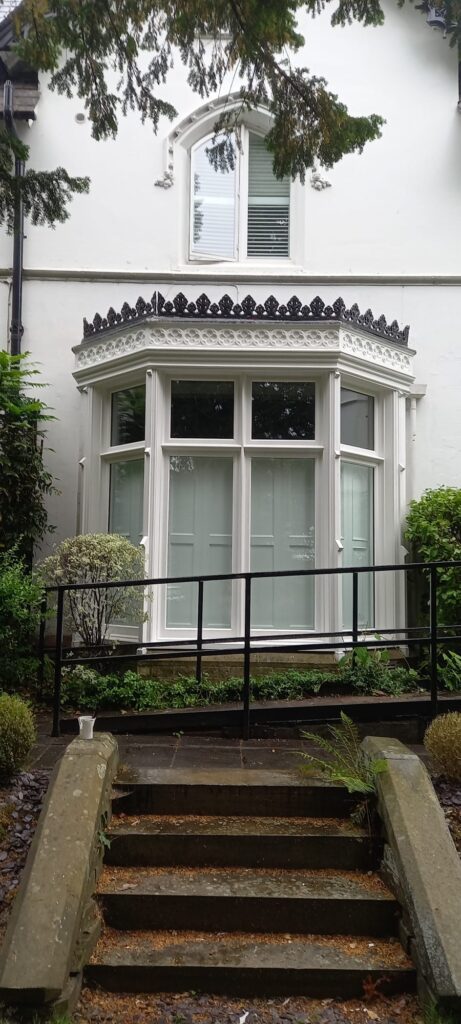
Listed buildings and period properties require a completely different approach to window specification than modern new builds. These homes are protected because of their architectural and historical significance, and windows play an integral role in that heritage value.
Historic timber windows aren’t just functional components; they’re part of the building’s character and authenticity. The right wooden window design can enhance a property’s appearance and value, while poor choices can significantly detract from its charm and potentially breach planning regulations.
Before you even start thinking about materials or styles, you need to understand what period your property belongs to. The architectural era of your building will heavily influence the appropriate window design choices.
Victorian Era (1837-1901): These properties typically feature sash windows with a simple 2-over-2 configuration. The frames are usually deeper and more ornate than modern equivalents.
Georgian Properties (1714-1830): Georgian homes showcase elegant proportions with typically 6-over-6 or 9-over-9 pane arrangements. These windows often have more delicate glazing bars and refined detailing.
Edwardian Homes (1901-1910): Edwardian properties often feature a transition between Victorian and more modern designs, sometimes incorporating casement windows alongside sash windows.
Period Farmhouses and Rural Properties: These vary considerably depending on region, with many featuring simple timber casement frames and larger panes than their urban counterparts.
Understanding your property’s architectural heritage is the foundation for making informed decisions about timber window designs that will be sympathetic to its character.
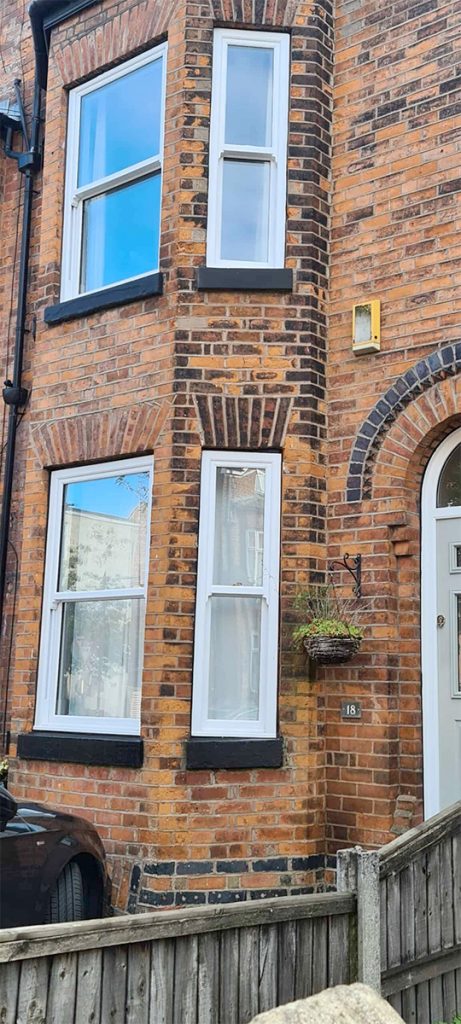
One of the most critical aspects of replacing or restoring windows in listed properties is navigating planning permission and listed building consent. This isn’t something you can skip or take shortcuts on; the consequences of proceeding without proper consent can be severe.
If your property is on the local authority’s list of buildings of special architectural or historic interest, you’ll need listed building consent before carrying out any work to external features, including windows. This applies even if you don’t need standard planning permission.
Listed building consent is a separate process from planning permission, and it’s specifically designed to protect the historical integrity of protected properties. The local conservation officer or heritage team will assess whether your proposed timber window design and specifications are appropriate for the building’s period and character.
Properties within conservation areas may have additional restrictions, even if they’re not formally listed. In these areas, planning permission might be required for window replacements that wouldn’t typically need consent in other areas.
The Greater Manchester and Cheshire regions have numerous conservation areas, and many councils take these designations seriously. Before specifying windows, check with your local planning authority to understand the specific requirements for your project location.
Conservation officers and planners typically assess window proposals based on several criteria:
Before you submit any applications, it’s worth discussing your proposals informally with the planning authority. Many councils offer pre-application advice that can help you avoid rejection and costly revisions.
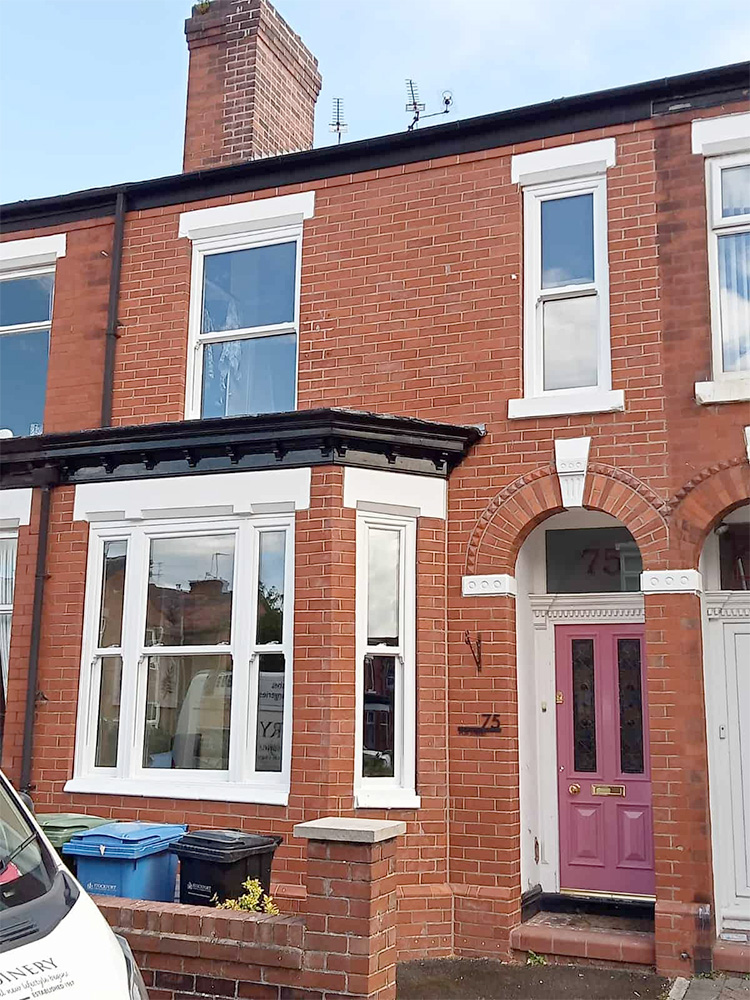
Authenticity is absolutely essential when selecting timber window designs for heritage properties. The right design choice isn’t just about compliance; it’s about preserving the building’s character and ensuring your work stands the test of time.
Sash windows remain one of the most common timber window styles in UK period properties, particularly in Victorian and Georgian homes. Understanding the variations can help you specify correctly.
Traditional Sash Design Elements:
Timber casement windows, those that open on hinges like doors, are equally authentic depending on your property’s era and location. Casements were particularly common in Georgian period properties and remain popular in rural and farmhouse conversions.
Key Casement Features:
For properties in Cheshire and Greater Manchester that predate the Victorian era, casement windows might actually be the more historically accurate choice than sashes.
When it comes to period property windows, material choice isn’t really negotiable if you want to maintain authenticity and secure planning approval. While uPVC might be cheaper and lower maintenance, it’s generally not acceptable for listed buildings or conservation areas.
Authenticity and Appearance: Timber looks like it belongs on a heritage property because it genuinely does. The natural grain, colour variation, and ability to be crafted into period-appropriate profiles simply cannot be replicated by modern composite materials.
Planning Acceptance: Conservation officers and planning inspectors expect to see timber windows on period properties. Using timber demonstrates your commitment to preserving the building’s character and significantly increases your chances of consent approval.
Performance Characteristics: Quality timber windows, properly maintained and painted, can last 50+ years or more. They breathe naturally, managing moisture in ways that synthetic materials cannot, which is particularly important in older buildings with solid walls and natural moisture cycles.
Repairability: If a timber window becomes damaged, individual components can be repaired or replaced. This longevity and repairability make timber windows more sustainable in the long term, despite higher initial costs.
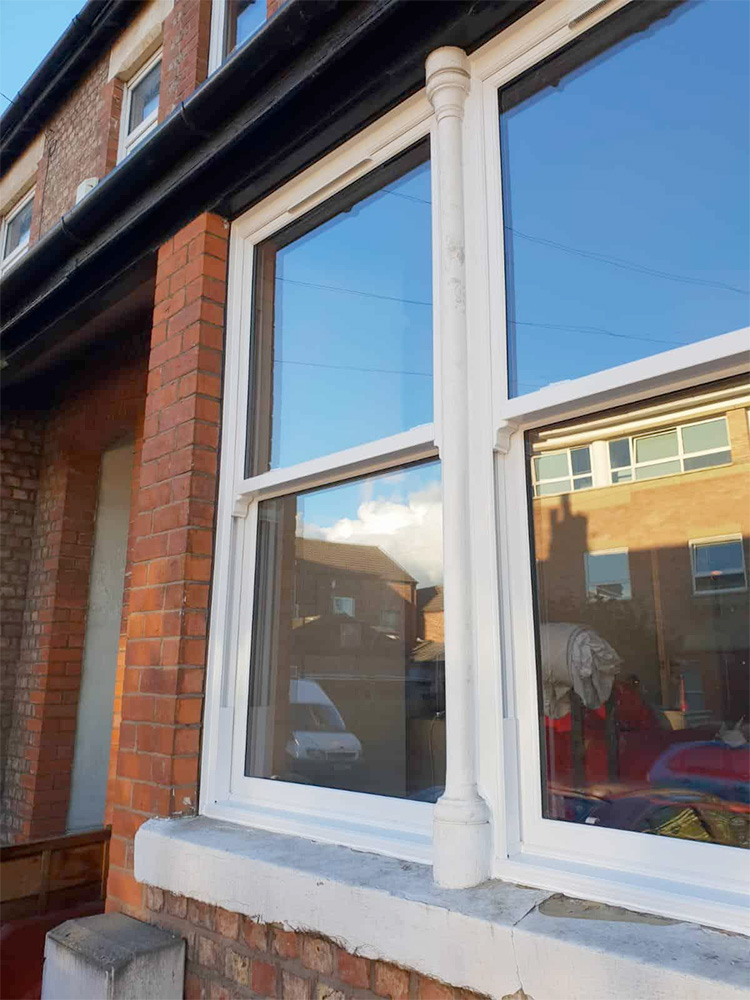
The type of glazing you specify has significant implications for both authenticity and energy performance and these two considerations must be balanced carefully for listed properties.
This is one of the most frequent challenges contractors face when working on period property windows. Planners and homeowners want energy efficiency, but not at the expense of architectural character.
The solution lies in understanding that you can achieve modern thermal performance without sacrificing period authenticity.
Thermal Performance Solutions:
As you can see, there’s a lot to consider when selecting timber window designs for listed and period properties. If you live in a heritage building and you’re thinking about upgrading your windows, GB Joinery can help. Call us on 0161 477 1818 or contact us online to find out more.
Yes – timber windows consistently add measurable value to a property, both at point of sale and over the full...
Read MoreStormproof casement windows use a lipped, overlapping sash that closes proud of the outer frame, creating a physical barrier against...
Read MoreFor construction and renovation projects, selecting the right timber window suppliers can have a significant impact on quality, project timelines,...
Read MoreMade to measure wooden windows give contractors a precise fit for every opening, regardless of size or shape. No cutting...
Read More

.png/v1/fill/w_180,h_180/yell-logo-full-bleed-190%20(002).png)
