
The best wood for replacement windows: hardwood vs. softwood vs. Accoya
For most replacement window projects, Accoya is the strongest all-round choice. It offers the dimensional stability of a hardwood, the...
Read MoreLast Updated: 24 August 2026
The process of wooden window production is far more complex than many contractors realise. It’s not simply about cutting timber and assembling frames. There’s a meticulous, multi-stage process that separates mediocre windows from the exceptional ones that will perform brilliantly for decades.
Let’s be honest, timber windows aren’t just about aesthetics, though they certainly look stunning. They’re about delivering genuine value to your clients through:
For building contractors and specifiers, sourcing windows from a manufacturer who understands these requirements is fundamental to project success.
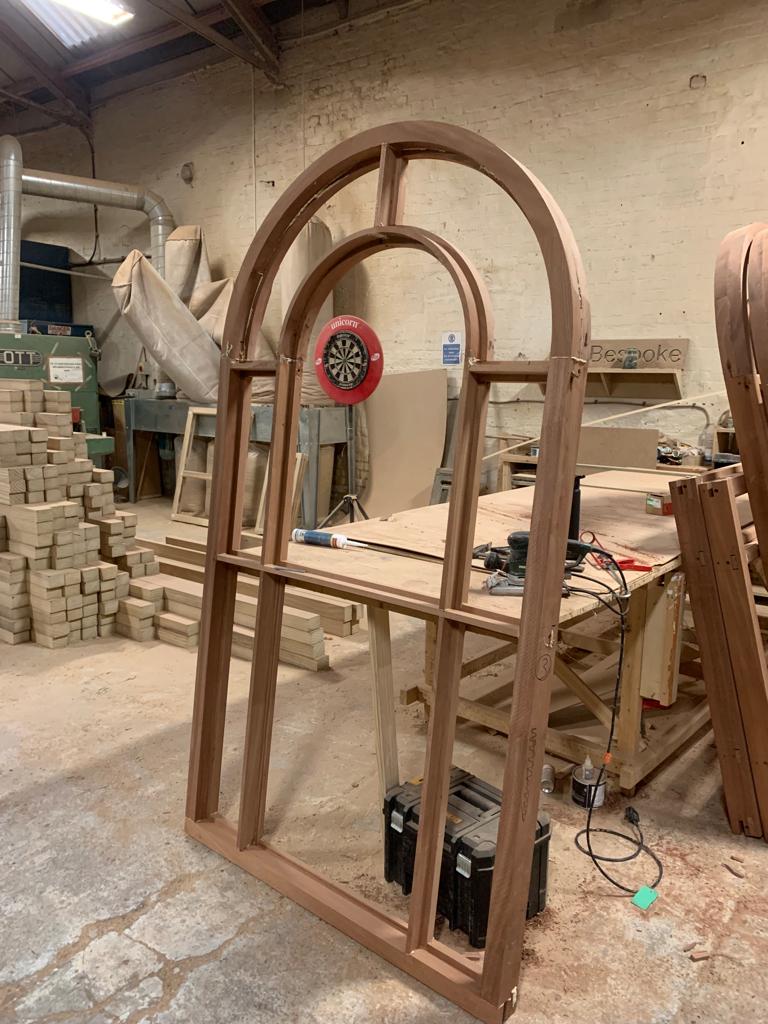
The foundation of quality wood window production begins with selecting the right timber. Not all wood is created equal, and this is where experienced manufacturers really demonstrate their expertise.
Premium timber species used in quality window manufacturing include:
At GB Joinery, the timber selection process is rigorous. Each batch is assessed for:
Before any machining takes place, timber must be properly conditioned. This is absolutely critical because wood naturally absorbs and releases moisture. If this isn’t managed correctly, you’ll end up with windows that warp, stick, or develop gaps.
The process involves:
Kiln drying the timber to achieve the precise moisture content needed for your climate and location. This is essential for windows manufactured in the UK that need to perform reliably in variable weather conditions.
Acclimatisation allows the timber to stabilise after drying, reducing the risk of movement after manufacturing.
Storage in controlled environments maintains the optimal moisture balance until the timber is ready for machining.
Once timber has been properly prepared, it moves into the fabrication stage. This is where raw timber transforms into precision-engineered window components.
Modern timber window manufacturing relies on:
Computer-aided design (CAD) systems that ensure every dimension is exact
CNC machining that cuts profiles, joints, and drainage channels with tolerances often measured in fractions of a millimetre
Automated production lines that maintain consistency across every single window produced
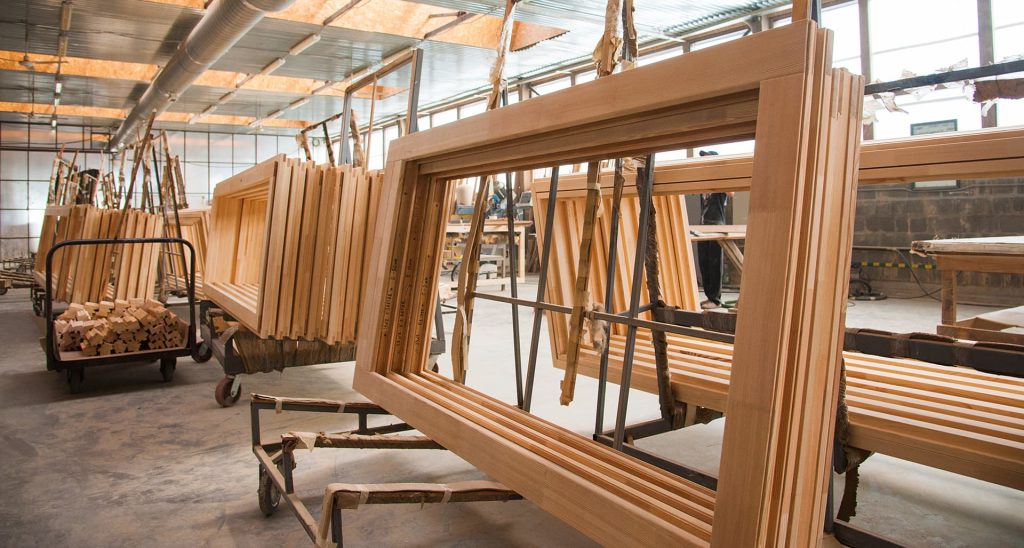
The main structural components, your window frames and sashes, are produced through careful machining processes.
The timber is first profiled to create the specific shape required for the window design. This might include decorative mouldings, specialist profiles for heritage properties, or contemporary clean lines for modern developments.
Joints are carefully cut, whether traditional mortise and tenon joints for period properties or modern dowel joints for efficiency. The choice depends on the specific requirements of your project.
Drainage channels and weep holes are precisely machined to ensure water management. This attention to detail is what prevents the water ingress problems that plague poorly manufactured windows.
Hardware recesses for hinges, locks, and other mechanisms are cut with precision, ensuring smooth operation over the window’s lifetime.
Timber windows require careful preparation for their glazing components. This includes:
With all individual components precisely machined, the next stage is window assembly. This is where skilled craftsmanship meets modern manufacturing efficiency.
Frame assembly brings together the vertical stiles and horizontal rails. At GB Joinery, this process involves:
The sash components are assembled separately, creating the movable elements of your window. Again, precision is paramount, any deviation here will result in sticking sashes or misaligned frames.
During assembly, each window passes through multiple quality checkpoints:
This is where the expertise of experienced wooden window manufacturers really shines. They know what to look for and when to reject components that don’t meet standards.
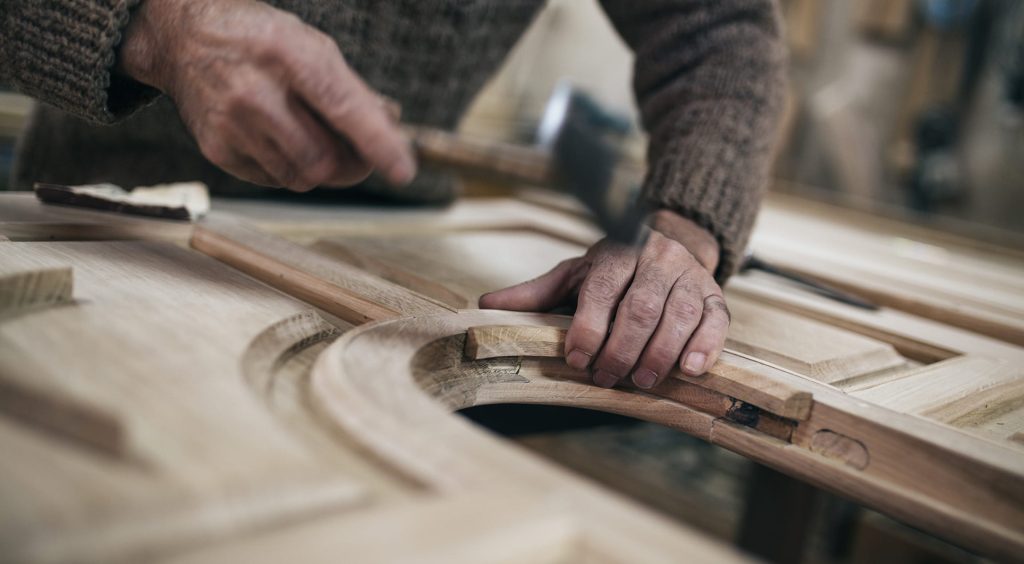
Once assembled, your windows move into the finishing stage. This is critical because the finish protects the timber from the elements while delivering the aesthetic your clients expect.
Before any finish is applied, the timber surface must be meticulously prepared:
Sanding removes any rough areas, glue residue, or minor imperfections. This is done progressively through finer grit levels, creating a smooth surface that will accept finish evenly.
Grain raising and re sanding involves deliberately raising the grain slightly, then re sanding to create an ultra-smooth final surface. This extra step is what separates premium manufacturers from the rest.
Dust removal using extraction systems ensures no particles remain that could spoil the finish.
Quality timber windows for UK projects typically receive:
Primer application that seals the timber, provides an adhesive base for topcoats, and protects against moisture absorption during storage and transit.
Undercoat that builds up protection and colour consistency.
Top coat application (usually two coats minimum) that provides the final aesthetic and weatherproof barrier.
Many contractors specify factory-applied finishes because controlled factory conditions produce far superior results compared to site-applied painting. Temperature, humidity, and dust control are all optimised.
Modern window manufacturing offers various finish options:
Water-based paints that offer low VOC (volatile organic compound) levels and environmental benefits whilst maintaining excellent durability
Solvent-based paints that provide traditional performance characteristics and deep colour options
Microporous coatings that allow timber to breathe whilst resisting water ingress, essential for preventing rot
Stain and varnish systems for clients wanting to showcase natural timber grain, particularly for period or contemporary aesthetics
The finish specification depends entirely on your project requirements and client preferences. Experienced manufacturers like GB Joinery can advise on the most appropriate system for your specific application.
As you can see, the wood window manufacturing process is highly specialised. Contact GB Joinery today to find out more. You can call us on 0161 477 1818 or contact us online.
For most replacement window projects, Accoya is the strongest all-round choice. It offers the dimensional stability of a hardwood, the...
Read MoreDo you need wooden gates supplied and installed in Stockport? At GB Joinery, we manufacture made-to-measure timber gates from our...
Read MoreAt GB Joinery, we’ve spent over a decade perfecting the art of bespoke timber gate design and manufacture. We understand...
Read MoreWhen it comes to home improvements in Cheshire and Greater Manchester, few additions provide as much immediate impact as a...
Read More

.png/v1/fill/w_180,h_180/yell-logo-full-bleed-190%20(002).png)
