What Makes a Wooden Window Contemporary?
When most people think of wooden windows, they often picture traditional cottages or grand Victorian estates. In the period properties of...
Read MoreLast Updated: 3 December 2025
When you’re managing a high-end residential or commercial project, settling for standard-spec windows and doors simply won’t do. Bespoke timber windows and doors represent the pinnacle of craftsmanship, offering architects, builders, and contractors the freedom to create truly distinctive properties that stand apart from mass-produced alternatives.
At GB Joinery, we’ve spent over a decade perfecting the art of custom timber joinery, working alongside the UK’s most discerning building professionals to deliver premium, specification-compliant solutions. Whether you’re designing a period renovation, a contemporary new build, or a high-value commercial fit-out, bespoke timber joinery opens possibilities that standard products simply cannot match.
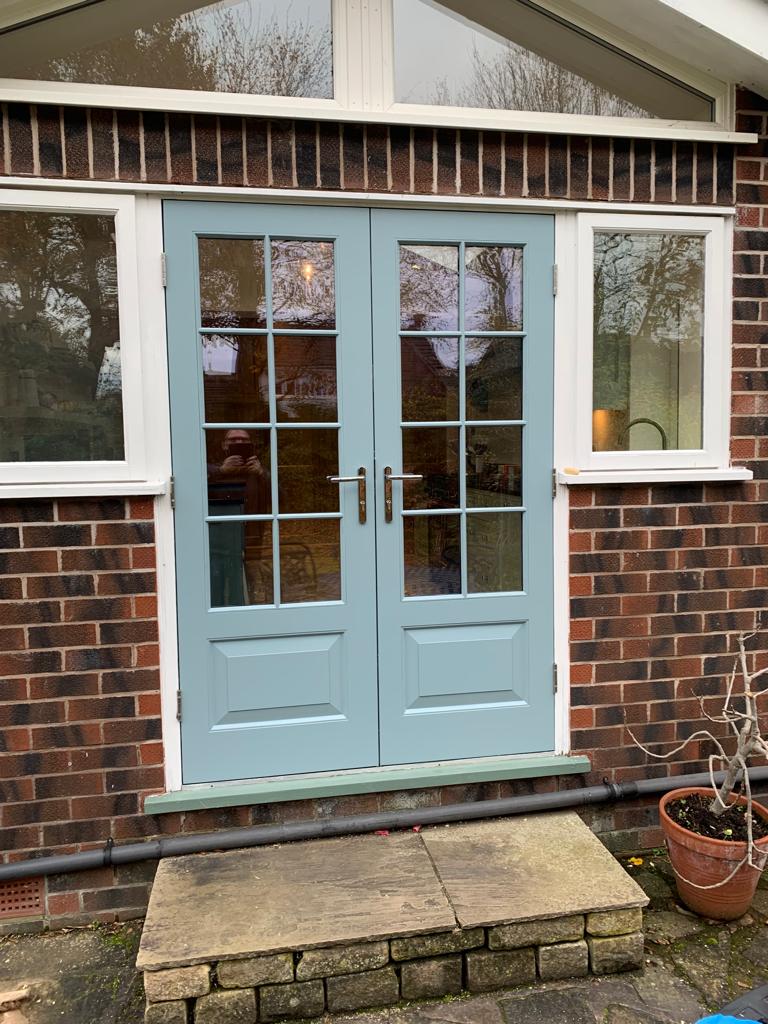
Bespoke timber windows and bespoke timber doors aren’t merely off-the-shelf products with different handles. True bespoke joinery means every component is purpose-designed, manufactured to your exact specifications, and built to perform flawlessly within your building’s unique context.
Unlike standard joinery ranges, which come in fixed dimensions and finishes, bespoke solutions offer:
For trade professionals, this flexibility transforms design ambitions into tangible reality while= maintaining the robust supply chain reliability you need on site.
The decision to specify custom timber windows and doors typically reflects one of several project drivers:
Heritage and Conservation Projects Period properties demand authentic joinery solutions that enhance your home’s energy efficiency. Whether you’re restoring Victorian sash windows or recreating Georgian door cases, bespoke manufacturing enables exact replication of original profiles, glazing patterns, and timber species, essential for listed building consents and conservation area approvals.
Architectural Distinction Contemporary architects often use specially designed windows and doors as focal design elements. Oversized format windows, angled frames, circular openings, or integrated timber reveals, these signature details demand bespoke specification rather than compromising with standard ranges.
Performance Integration High-specification projects require joinery that seamlessly integrates with advanced building physics. Triple-glazing, acoustic specifications, thermal performance targets, passive house certifications, and lower energy bills all require custom engineering of frame depths, glazing arrangements, and seal systems.
Coordinated Interior Finishes Luxury residential and commercial interiors demand matched joinery suites where modern timber windows, doors, panelling, and architectural features share unified profiles, finishes, and material expression. This level of coordination demands bespoke specification across your entire project.
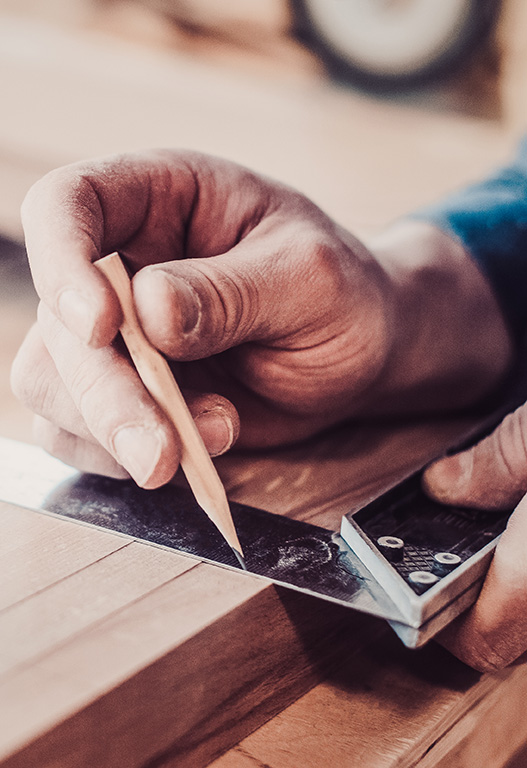
Your project’s success begins before any technical drawings appear. Our specialist team, experienced in working with architects’ specifications and builders’ requirements, takes time to understand:
Project Context
Performance Requirements
Access and Installation Constraints
Aesthetic and Material Preferences
This consultation stage typically involves detailed discussion via email, video call, or site visit. We’ve found that architects and contractors who invest time in this upfront briefing achieve superior project outcomes, fewer specification queries, smoother manufacturing, and site satisfaction.
Once we understand your requirements, our design team develops comprehensive technical documentation, including:
CAD Drawings and Specifications
Performance Schedules
Material Specification
Before committing to full manufacture, we typically supply:
Material Samples
For performance-critical projects, we manufacture test window assemblies demonstrating:
This approval process typically takes 2–3 weeks, allowing time for material sourcing, sample manufacture, and your evaluation.
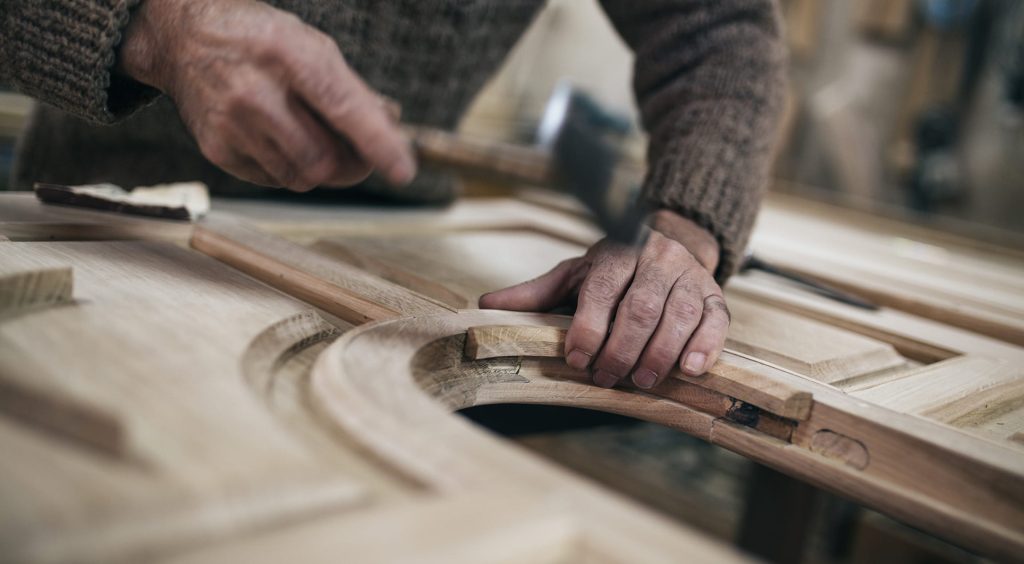
Bespoke timber windows demand precision manufacturing processes that transform raw timber into performance-engineered assemblies. Here’s how our production workflow ensures consistent excellence:
Timber Selection and Preparation
Precision morticing, tenoning, and joint preparation with double glazing
Assembly and Joinery
Finishing Systems
At GB Joinery, we pride ourselves on our capacity to craft bespoke timber windows and doors to match each client’s exact specifications. If you’d like to find out more about working with GB Joinery as your dedicated timber glazing specialist, get in touch today. You can call us on 0161 477 1818 or contact us online.
Regular maintenance includes cleaning the surfaces to remove dirt and debris, checking for signs of wear or damage, and applying protective coatings such as paint or varnish every few years. It’s also important to ensure that any seals and weatherstripping are intact to prevent moisture infiltration.
The cost of bespoke timber windows and doors can vary widely based on factors such as design complexity, type of wood, and size. Generally, they may be more expensive than standard uPVC or aluminum options, but they offer unique aesthetic qualities and potential energy efficiency benefits.
Look for suppliers with a strong track record, positive customer reviews, and examples of their previous work. It’s also beneficial to check if they are members of industry associations, which can indicate a commitment to quality standards. Always ask about their sourcing of materials and warranties provided for the products.
When most people think of wooden windows, they often picture traditional cottages or grand Victorian estates. In the period properties of...
Read MoreIf you’re managing a construction project, few decisions carry as much weight as choosing the right windows. The difference between...
Read MoreHere at GB Joinery, we’ve spent over a decade helping building professionals navigate the complexities of heritage window specifications. Whether...
Read MoreWhen you’re specifying windows for exposed or coastal locations, compromising on weather performance simply isn’t an option. Stormproof casement windows...
Read More