What Makes a Wooden Window Contemporary?
When most people think of wooden windows, they often picture traditional cottages or grand Victorian estates. In the period properties of...
Read MoreLast Updated: 26 January 2026
If you’re managing a construction project, few decisions carry as much weight as choosing the right windows. The difference between standard, mass-produced units and bespoke wood windows might seem subtle at first glance, but it’s genuinely transformative when you look into the details. Whether you’re renovating a listed building, constructing a contemporary home, or tackling a commercial project, understanding these distinctions could save you thousands in remedial work and site adjustments.
At GB Joinery, we’ve worked with countless contractors over the past decade, and the conversation always comes back to one fundamental truth: custom timber windows aren’t just about aesthetics, they’re a strategic investment that impacts your entire project timeline, budget, and final quality.
Let’s explore exactly what separates made-to-measure timber windows from off-the-shelf alternatives.
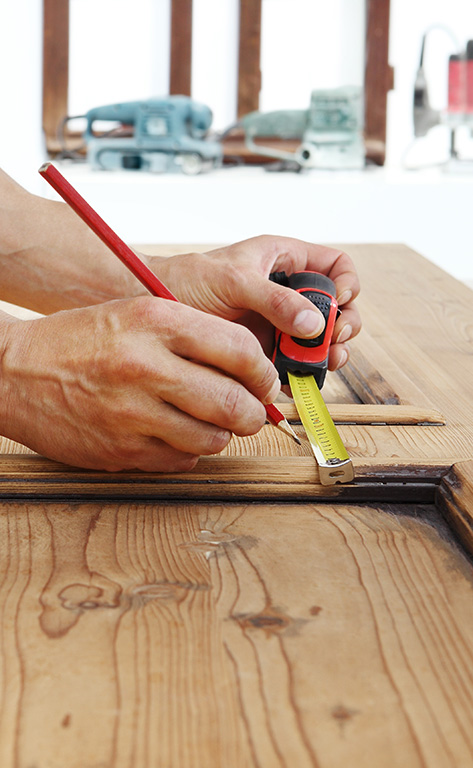
The fundamental distinction between bespoke wood windows and standard window solutions comes down to customisation and precision.
Off-the-shelf windows are manufactured in batches to accommodate the most common architectural requirements. They’re designed to fit typical opening sizes, with standardised frame depths, sash configurations, and hardware specifications. Manufacturers produce thousands of identical units, which drives down costs but inherently limits flexibility.
Bespoke timber windows, by contrast, are individually designed and manufactured to your exact specifications. Every measurement, detail, and material choice is tailored to your project’s unique demands. This isn’t just a luxury; it’s a pragmatic solution that addresses the real-world complexities that contractors face on site.
Here’s something many contractors don’t fully appreciate until they’ve experienced the problem: old buildings rarely have perfectly square or plumb openings. Listed properties, Victorian terraces, and period conversions present opening variations that standard windows simply can’t accommodate without extensive site modifications.
When you install off-the-shelf windows into an irregular opening, you’re essentially forcing precision-engineered products into non-standard spaces. This creates several technical challenges:
Custom timber windows eliminate these problems entirely. By manufacturing frames that match your exact opening dimensions, you achieve perfect contact between the window frame and the surrounding fabric of the building. This superior fit translates directly into better thermal performance and weather resistance.
Contractors working on renovation projects particularly appreciate this. You’re not squeezing a standard product into a bespoke space; you’re creating a solution that belongs there.
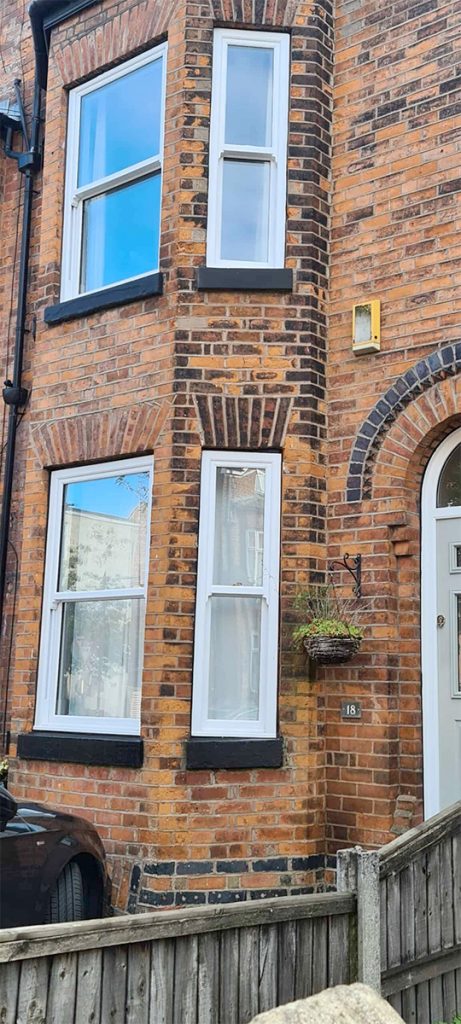
Not all timber is equal, and not all window designs suit every location.
Off-the-shelf manufacturers make generalised assumptions about material grades, timber species, and frame profiles. They might specify softwood construction that works adequately in temperate climates but could struggle in exposed coastal locations. They might offer limited options in timber species, constraining you to materials that may not match existing joinery or suit conservation requirements.
With made-to-measure timber windows, you’re collaborating with specialist craftspeople who understand wood performance in different environments. They’ll recommend:
This technical flexibility means your windows will both look right and perform reliably for decades, even in challenging conditions.
Modern building regulations demand ever-improving thermal and acoustic properties. Off-the-shelf windows typically offer standardised performance specifications that might technically meet current requirements, but they’re often designed for minimum compliance rather than optimal performance.
Bespoke timber window solutions allow for:
Because every component is manufactured together as a cohesive system, rather than assembled from off-the-shelf parts, thermal and acoustic performance is invariably superior.
As you can see, bespoke timber windows offer several major advantages over off-the-shelf alternatives. If you’d like to find out more about how GB Joinery can help with your bespoke window requirements, get in touch today. You can call us on 0161 477 1818 or send us a message online and we’ll get back to you as quickly as possible.
When most people think of wooden windows, they often picture traditional cottages or grand Victorian estates. In the period properties of...
Read MoreHere at GB Joinery, we’ve spent over a decade helping building professionals navigate the complexities of heritage window specifications. Whether...
Read MoreWhen you’re managing a high-end residential or commercial project, settling for standard-spec windows and doors simply won’t do. Bespoke timber...
Read MoreWhen you’re specifying windows for exposed or coastal locations, compromising on weather performance simply isn’t an option. Stormproof casement windows...
Read More