Timber windows: A specification guide for builders
Timber windows have evolved significantly in the past decade or so, with modern coatings and sustainably sourced materials leading to...
Read MoreLast Updated: 17 November 2026
Both casement and sash windows are strong, versatile picks for contractors regardless of the project they are working on, but their key differences will determine which is the better option for you.
Casement windows, sometimes called stormproof windows, are the most popular in the UK, are best picked where simplicity and ease of use are priorities. Your client can choose whether they open inwards or outwards, and they’re suitable for pretty much any project, from a new build to a restored cottage.
Sliding sash windows are also versatile, but they’re typically associated with homes in more rural settings. They usually come in at a slightly higher price point, but can really make a difference to the feel of a home, making it feel historic and premium, whilst also possessing genuine perks like increased ventilation.
Both styles are thermally efficient if chosen with timber frames, and at GB Joinery, we manufacture both styles to your exact requirements and measurements. If you’ve been weighing up casement vs sash windows for your next project, we outline them both in detail below so you can feel confident in making the right decision.
A casement window is a hinged sash set into the window frame, and it’s the volume style in timber.
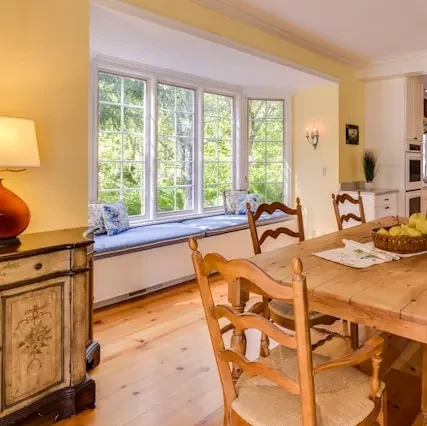
Casement styles range from single sashes to double casements with a central divider, or French casements that meet in the middle for a wider opening. A single large pane gives an unobstructed view and more natural light. Clients asking for “flush sash windows” usually mean a flush casement, where the sash sits completely level with the frame.
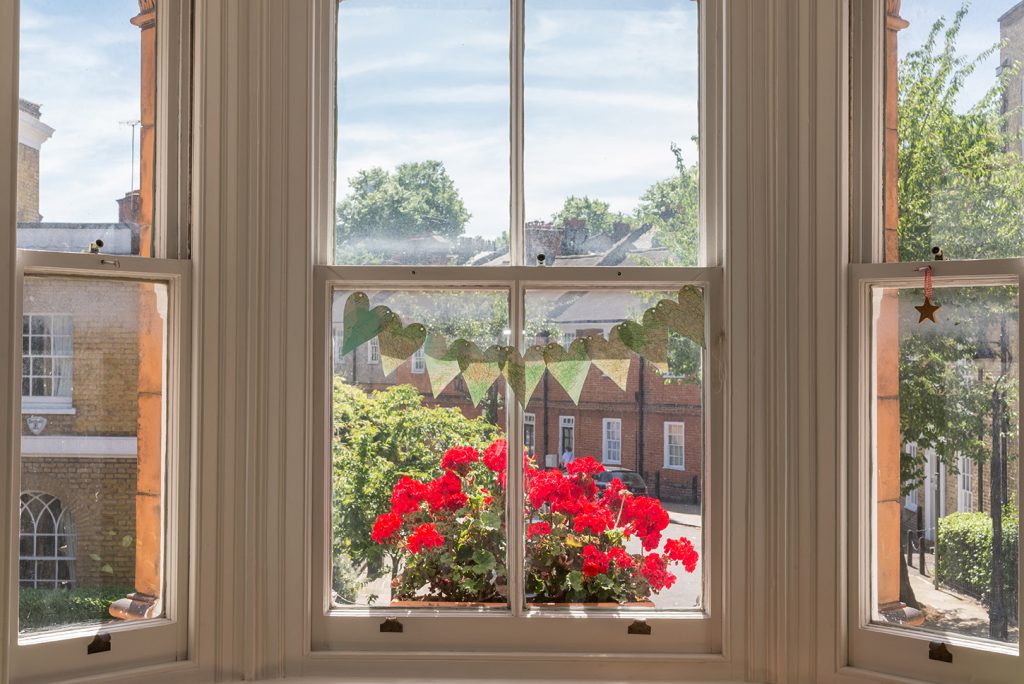
On a sash window, the bottom sash slides up and the top sash slides down from the top of the frame, meeting at the meeting rail. The sash mechanism sits in a larger outer frame, known as the box. They can open independently of one another, or together.
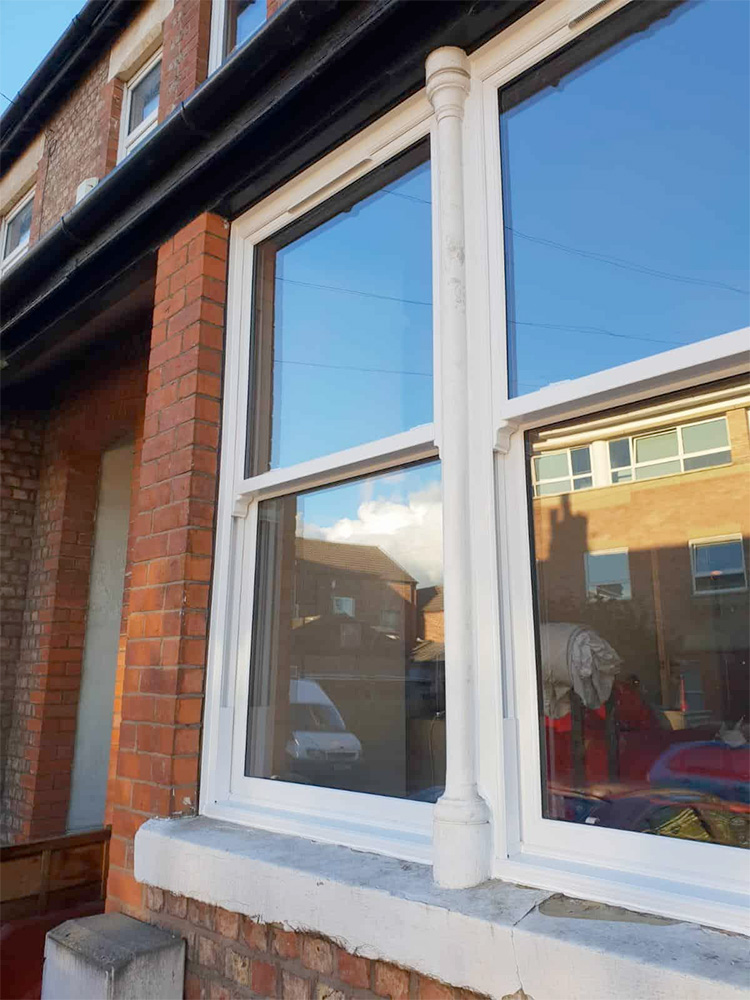
The style of sash windows evolved from Georgian sash windows with many small glass panes to Victorian sash designs with fewer, bigger panes. That makes sash the natural fit for period properties, Victorian terraces and Edwardian style homes, plus new builds wanting a classic look. In conservation areas, planners typically expect replacement windows to keep a traditional look.
No style is better across the board. Casement windows are the simple, low-maintenance choice for new builds and modern homes. Sash windows suit period properties and conservation areas, but are also found on new builds if you’re looking to go the extra mile in terms of aesthetic appeal.
Here’s how they compare on the factors that affect your specification.
Hinged, with a wide and clear opening.
Nothing swings out, which helps on upper floors. Check escape requirements such as minimum width under Approved Document B. More moving parts.
Verdict: Down to preference and the architectural style.
Can be opened as wide as you like.
Top and bottom openings, no obstruction for fresh air.
Verdict: Sash for the sheer amount of fresh air, casement for control
Casements close tighter against the seals, but both offer good thermal performance if timber frames are specified.
Whilst associated with older homes, modern timber frames and glazing offer comparable thermal performance to casements.
Verdict: Each offers excellent energy efficiency in timber, helping keep energy bills down. If thermal performance is your absolute priority, casements may be slightly better because the seals are tighter.
Occasional checks on hinges and locks.
More moving parts, so more regular maintenance.
Verdict: Casement is lower maintenance.
New builds, modern homes and, as flush casements, conservation areas.
Georgian style, Victorian and Edwardian properties and listed buildings.
Verdict: Where planning applies, match the original style of window. Sliding sash tends to be preferable for conservation areas, but casements also get approved regularly if the frames are timber.

We specialise in Accoya timber, engineered from sustainably sourced Radiata Pine. If timber put you off in the early 2000s, with frames that changed shape, rotted or attracted insects, Accoya is different, hence timber’s rapid resurgence. It’s modified to stay stable and resist decay, so modern casement windows and modern sash windows deliver modern performance with a traditional look.
FSC and Cradle to Cradle Gold certified, with a 50-year above-ground timber warranty.
Timber is a natural material and is far tougher for heat to pass through than either uPVC or aluminium. With thermal efficiency a priority for new builds, specifying timber is the logical choice.
uPVC casement windows are often specified in finishes designed to replicate the look of timber, but it’s never quite the same. Plastic frames don’t have the same warmth, feel or intricate graining. If you’re looking for a window frame that’s best-in-class for your clients, especially from a sustainability/energy efficiency standpoint, timber is the unanimous choice.
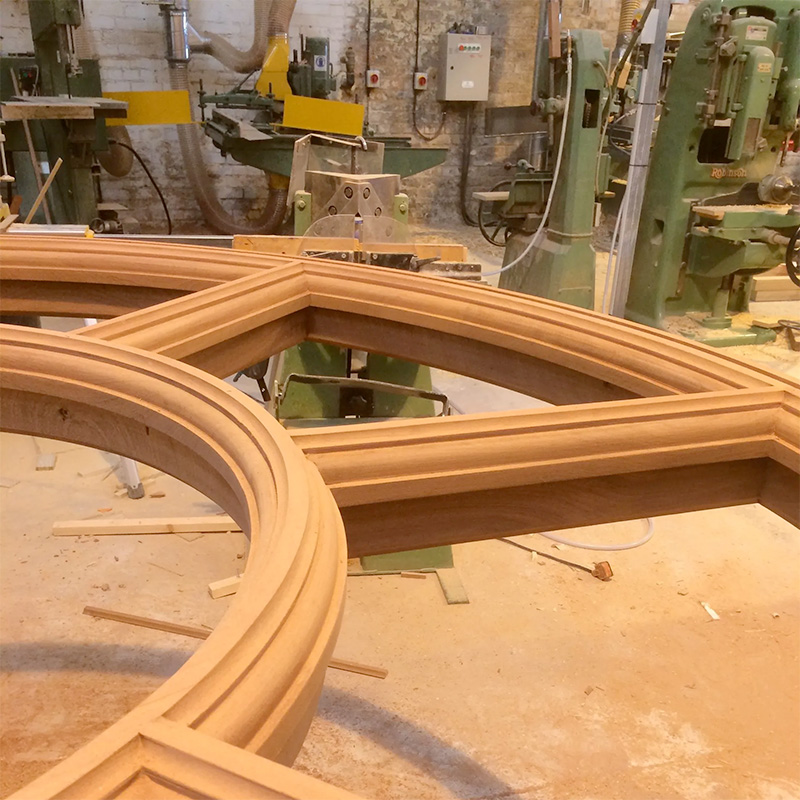
We make everything to your exact measurements, from a single like-for-like replacement to complex projects where your capacity is stretched. Our in-house CNC router handles arched tops, Gothic arches and true curved bows.
Lead times hold at 4-6 weeks whichever window style you specify, so you can programme the install with confidence.
Options include:
We also make doors and gates.
We’ve supplied the trade since 2013, with over 60 years’ combined experience alongside our sister company Reddish Joinery. Nigel has been the driving force in our Stockport workshop since day one.
Got a casement or sash schedule to price? Call 0161 477 1818 or email info@gb-joinery.co.uk for a free quote.
Timber windows have evolved significantly in the past decade or so, with modern coatings and sustainably sourced materials leading to...
Read MoreWindow failures cost contractors time and money. Swelling frames, failed paint finishes and rot callbacks eat into profit margins and...
Read MoreChoosing between timber windows vs uPVC windows is one of the most common decisions contractors help clients make. Both have...
Read MoreGlazing can transform a bespoke timber front door, bringing natural light into an entryway while adding character and complementing the...
Read More