
Integrating glazing into your custom wood door design
Glazing can transform a bespoke timber front door, bringing natural light into an entryway while adding character and complementing the...
Read MoreLast Updated: 24 August 2026
When it comes to specifying timber doors for your building projects, understanding door frame dimensions UK is essential. Whether you’re working on new builds, renovations, or heritage restorations, getting the frame sizing right from the start will save you time, money, and potential headaches on site.
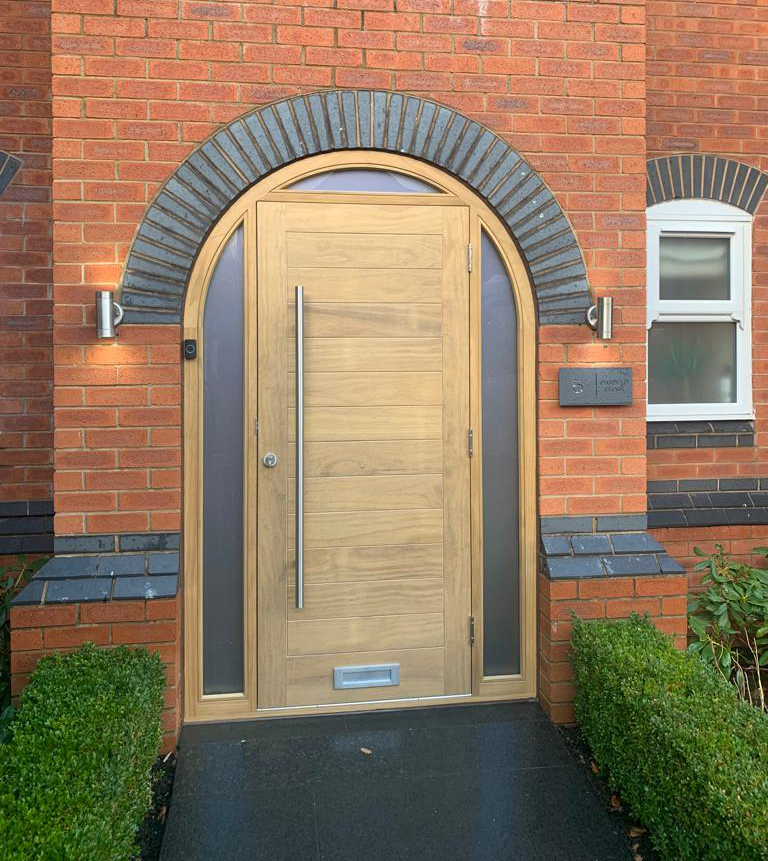
Let’s start with the fundamentals. Many contractors assume that door frame dimensions are straightforward, measure the opening, order the frame, and install it. In reality, there’s considerably more nuance to get right.
Correct door frame sizing ensures:
For building contractors, site managers, and specifiers, understanding these principles isn’t optional, it’s fundamental to delivering quality results.
External door frame dimensions must comply with building regulations while accommodating weather sealing and thermal performance requirements.
Standard external door height: 2090mm
This is slightly taller than internal doors and accounts for:
External doors face more demanding conditions. The additional height accommodates the threshold and allows proper water management without compromising headroom.
This tolerance allows for floor level variations and threshold installation flexibility.
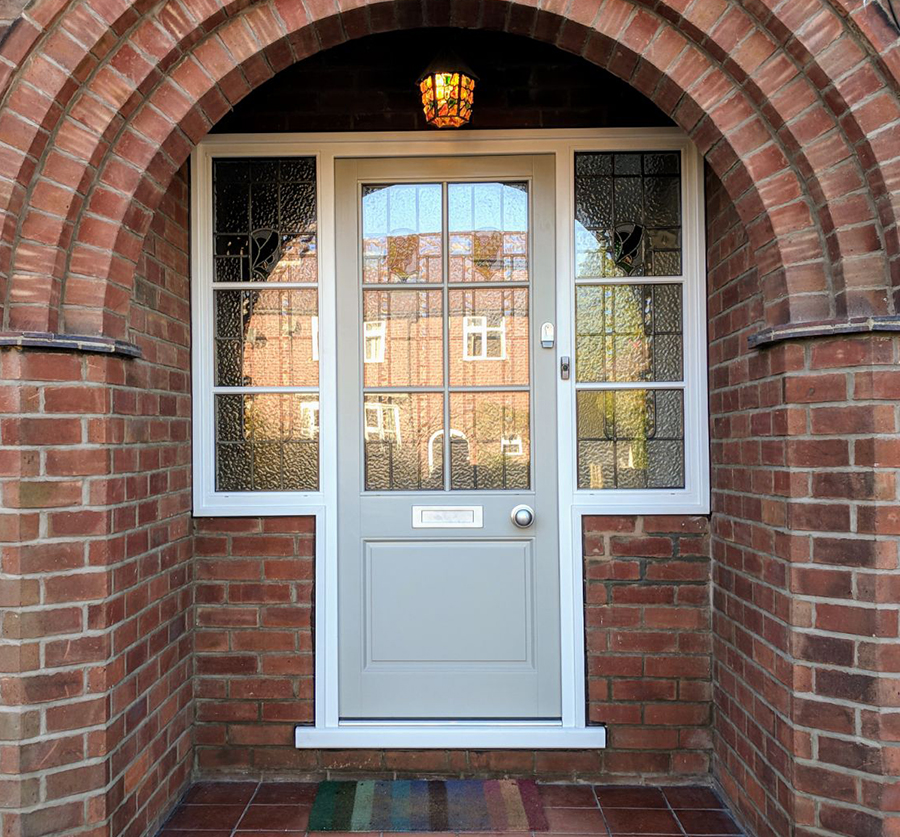
External timber door frames require careful attention to thresholds and weather sealing. Here’s what you need to specify:
Quality external door frame manufacturing includes:
This attention to detail separates premium manufacturers from those cutting corners. At GB Joinery, every external door frame is designed with water management as a fundamental priority.
One of the most important concepts for contractors is understanding door frame tolerances. These are the acceptable variations in dimensions that allow for real-world construction and installation realities.
These tolerances might sound loose, but they’re actually quite tight for timber products. Remember, wood naturally moves slightly with moisture and temperature changes.
Building sites aren’t perfectly level or square. Brick walls can be slightly out of plumb; concrete floors vary in level. A door frame needs to accommodate these realities while still:
Building Regulations Part B covers fire safety, and this significantly impacts door frame specifications.
For certain locations (hallways in flats, between dwellings, commercial corridors), you may need fire-rated doors. This affects:
These indicate fire duration.
Fire-rated door frames require specialist manufacturing with precise tolerances. GB Joinery’s experience with fire-rated timber solutions ensures your specifications meet current Building Regulations without compromise.
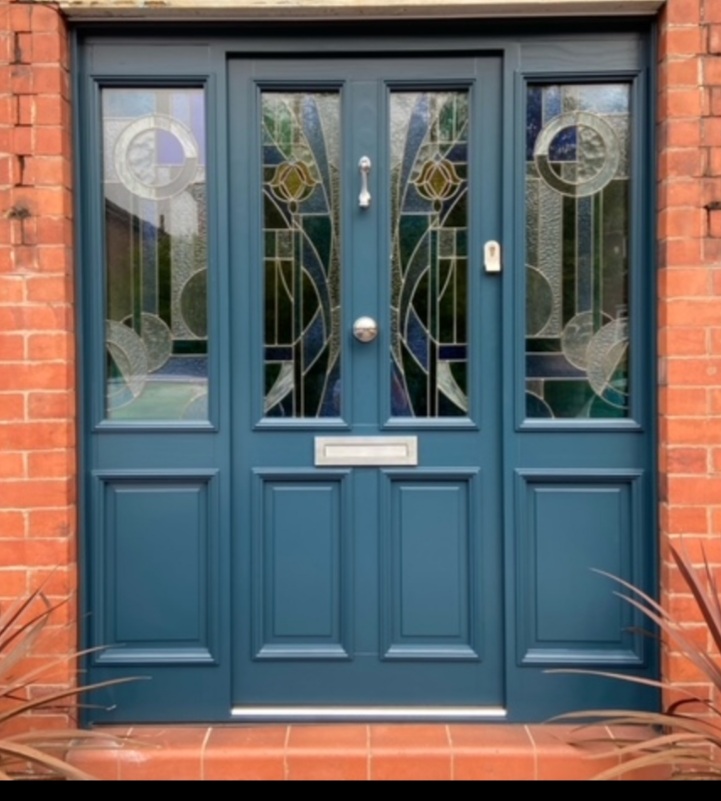
Building Regulations Part M covers accessibility, and this influences door frame sizing:
Modern Building Regulations (particularly Part L – Conservation of fuel and power) require doors to meet specific thermal performance standards.
Thicker frames with thermal breaks (insulating material separating inner and outer timber) help achieve these standards. This means:
Quality timber manufacturers design frames specifically to meet these thermal requirements whilst maintaining authentic timber appearance.
If you’d like to find out more about specifying timber doors, contact GB Joinery today. You can call us on 0161 477 1818 or contact us online.
Glazing can transform a bespoke timber front door, bringing natural light into an entryway while adding character and complementing the...
Read MoreA front door can have a significant influence on the character of a period property. Panel layout, mouldings, glazing and...
Read MoreWhat is best? Made to measure vs standard doors? If you’re working on a new build with consistent, square openings...
Read MoreFor most residential projects where aesthetics, sustainability and thermal performance matter, timber bifold doors are the stronger specification. For high-traffic...
Read More

.png/v1/fill/w_180,h_180/yell-logo-full-bleed-190%20(002).png)
