
Why Specify Accoya Timber Windows On Site
Window failures cost contractors time and money. Swelling frames, failed paint finishes and rot callbacks eat into profit margins and...
Read MoreLast Updated: 8 October 2026
Choosing between timber windows vs uPVC windows is one of the most common decisions contractors help clients make. Both have their place. Both have their own set of advantages. But the right choice depends on the project.
This guide breaks down the real differences between timber and uPVC window frame materials, covering lifespan, maintenance, thermal performance, aesthetics and planning considerations. We’ll also look at how modern engineered timbers like Accoya wood have closed the maintenance gap that used to make uPVC the automatic default.
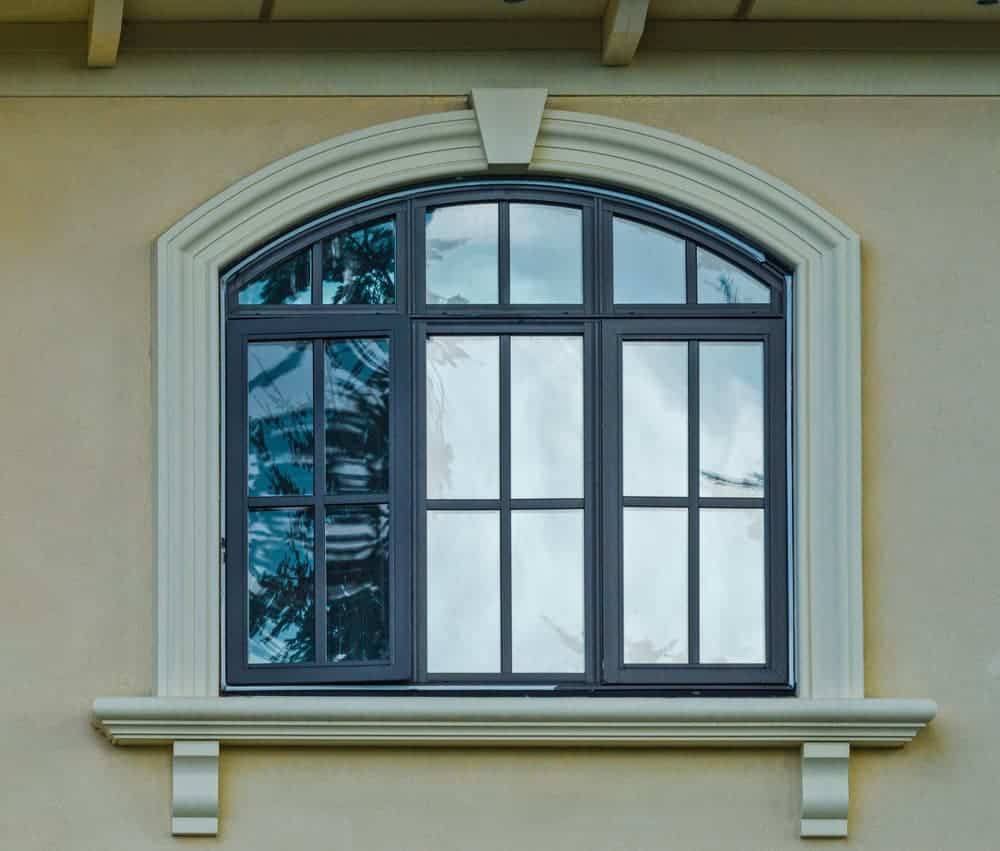
uPVC frames are a more affordable option upfront and need minimal maintenance, making them a popular choice for budget-conscious new builds. Timber windows offer better aesthetic appeal, natural thermal insulation and are often the only option for conservation areas and period properties. Modern timber, especially Accoya wood, now matches uPVC for low maintenance while outperforming it on looks, longevity and environmental credentials.
uPVC stands for unplasticised polyvinyl chloride. It’s a rigid plastic that’s moulded into window frame shapes, then fitted with double glazing or triple glazing units.
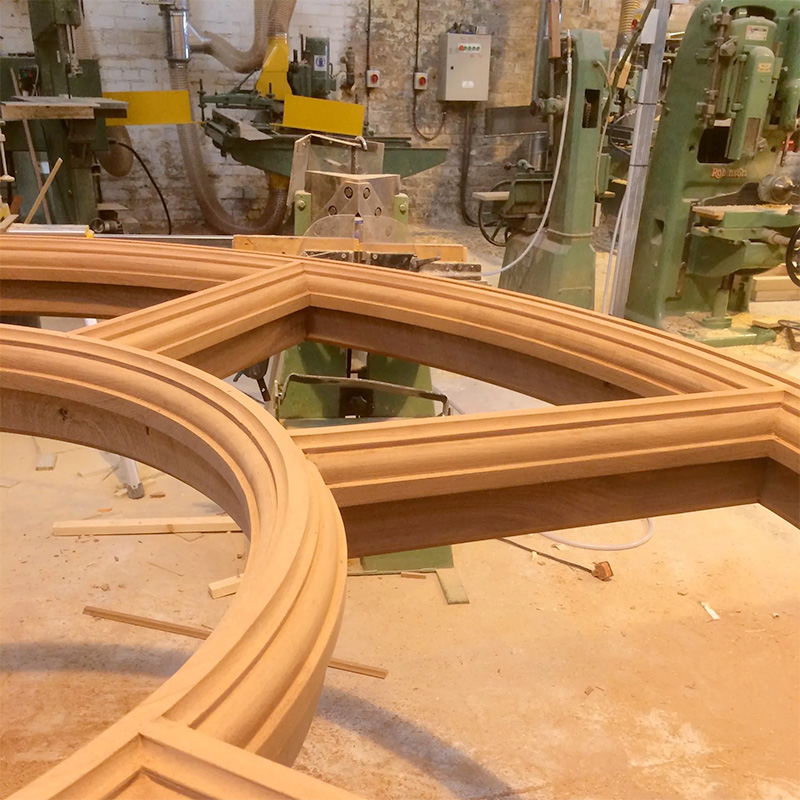
Timber windows are made from solid wood, either softwood, hardwood, or engineered options like Accoya. They’re built using traditional joinery techniques, often combined with modern draught-proofing and glazing technology.
Both materials can deliver good insulation and energy efficiency. But the way they achieve this, and how they perform over time, differs significantly.
This is where the comparison gets interesting.
For contractors working on new builds or renovations where longevity matters, timber frames, particularly Accoya, offer a clear advantage over the long run.
This is the biggest objection contractors hear from clients considering timber windows.
It’s true that older softwood windows needed regular maintenance, including repainting every few years to prevent rot. This is where uPVC built its reputation for easy maintenance.
But modern timber windows have moved on. Here’s why:
With proper care, modern timber windows need a simple check and occasional touch-up, not a full repaint every two years. Accoya in particular needs minimal maintenance compared with standard softwood, closing much of the gap with uPVC.
uPVC still has a practical edge for clients who want to do absolutely nothing. It doesn’t need painting at all. But it’s worth noting that uPVC frames can’t be repaired if damaged. Timber can be sanded, patched and refinished, extending its life rather than ending it.
Both materials can achieve excellent energy efficiency when paired with modern double glazing or triple glazing.
However, wood is a naturally insulating material. Timber has natural thermal insulation properties that plastic simply doesn’t replicate in the same way. This is one reason period properties with original timber frames often retain heat well once draught-proofed and upgraded with modern glazing.
Accoya specifically has been tested with thermal conductivity figures that are:
This directly affects energy bills. Better insulation means less heat loss, which means lower energy costs for homeowners over the long term. For contractors advising clients focused on reducing their carbon footprint and energy costs, timber is often the stronger recommendation.
For many projects, visual appeal is a significant factor, not just a nice-to-have.
uPVC has improved considerably. Modern uPVC windows come in a wider range of colours and finishes than the plain white frames of 20 years ago.
But timber still offers something uPVC can’t fully replicate: the natural grain, texture and character of a genuine wood window. For period homes, listed buildings and properties in conservation areas, the appearance of timber isn’t just preferred, it’s often required.
Timber also supports styles that are harder to achieve in plastic, including:
This is where the decision often gets made for you, not by preference, but by planning rules.
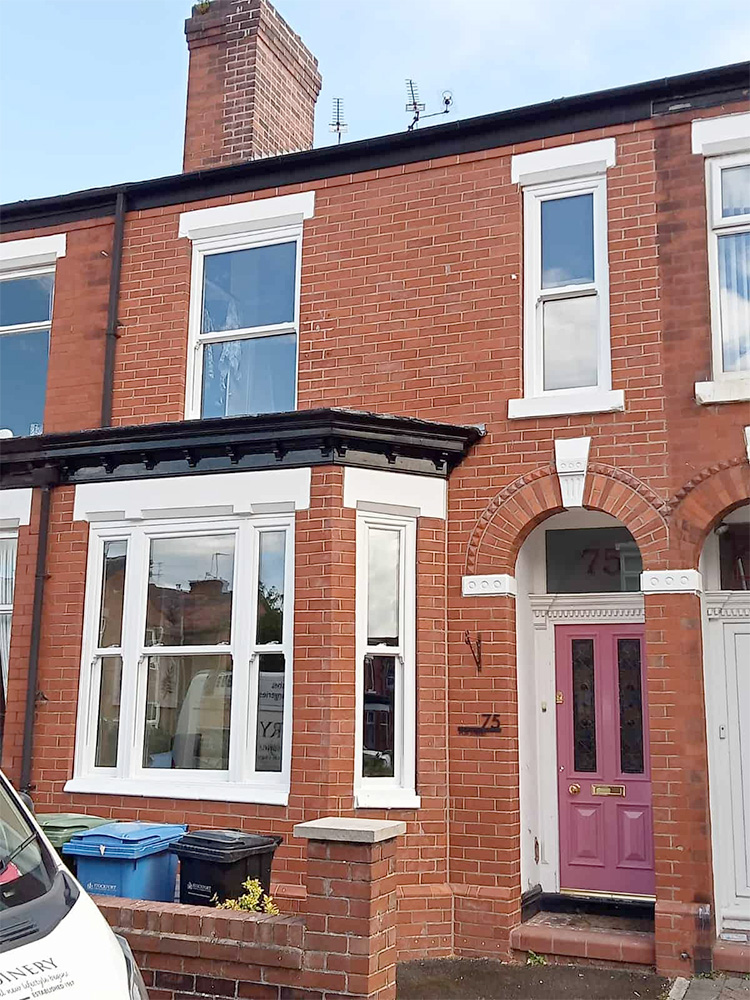
Many conservation areas and listed buildings require like-for-like replacement. That means timber frames must replace timber frames. uPVC alternatives are frequently refused planning permission in these settings because the material doesn’t match the original window frame materials or appearance.
For contractors working on heritage projects, specifying timber from the outset avoids delays, planning objections and costly redesigns later.
Timber is a renewable resource. Responsibly sourced wood, including FSC-certified Accoya, has a lower environmental impact than uPVC, which is a plastic product derived from fossil fuels and difficult to recycle at end of life.
For clients who want an environmentally friendly choice, timber windows, particularly those made from sustainably sourced Accoya wood, offer stronger environmental credentials than standard uPVC frames.
There’s no single best material for every project. The right choice depends on:
Both can achieve excellent energy efficiency with modern glazing. Timber has natural insulating properties that give it a slight edge, particularly with Accoya wood.
No. Standard uPVC windows typically last 20 to 30 years, while well-maintained timber windows, especially Accoya, can last 50 to 60 years or more.
Usually not. Most conservation areas require timber window frames to preserve the original character of the property.
Yes. Accoya offers the appearance and natural material benefits of timber, with significantly reduced maintenance and improved durability compared with standard softwood.
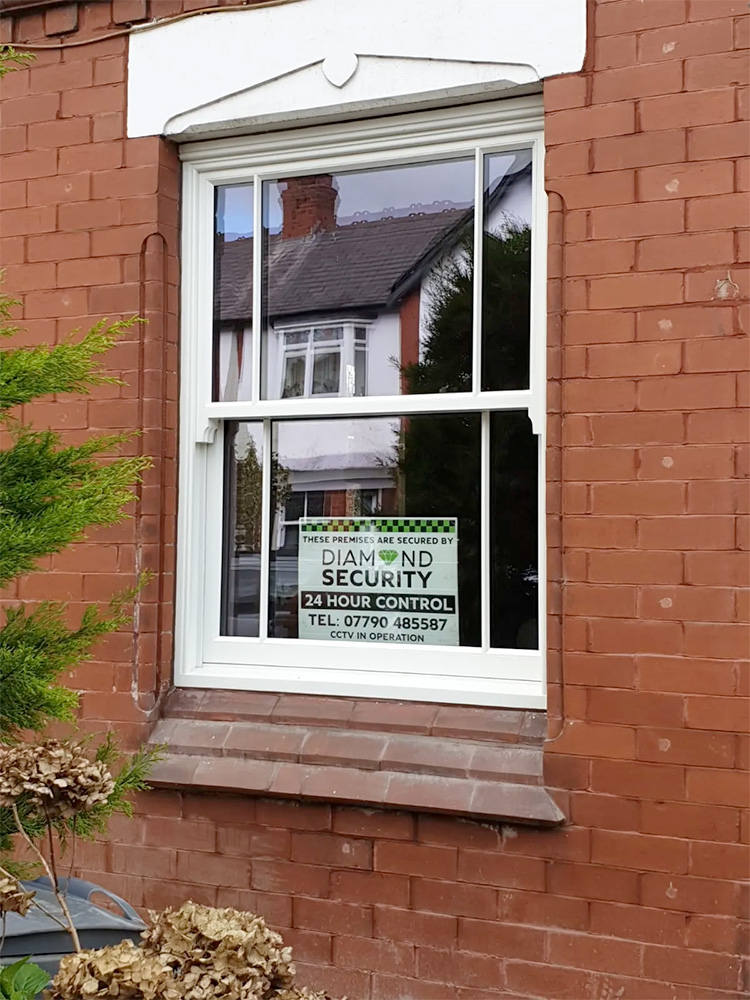
Specifying the right windows is a significant investment, for contractors and homeowners alike. GB Joinery manufactures a full range of timber windows, including sliding sash, flush casement and stormproof designs, built to order in 4 to 6 weeks.
Whether you’re working on a new build, a period property restoration, or a project in a conservation area, we can help you specify the right windows for the job.
Get in touch with GB Joinery for a free trade quote or to discuss your next project:
Window failures cost contractors time and money. Swelling frames, failed paint finishes and rot callbacks eat into profit margins and...
Read MoreGlazing can transform a bespoke timber front door, bringing natural light into an entryway while adding character and complementing the...
Read MoreA front door can have a significant influence on the character of a period property. Panel layout, mouldings, glazing and...
Read MoreFor most replacement window projects, Accoya is the strongest all-round choice. It offers the dimensional stability of a hardwood, the...
Read More

.png/v1/fill/w_180,h_180/yell-logo-full-bleed-190%20(002).png)
