
Timber vs uPVC windows: A Contractor’s Comparison
Choosing between timber windows vs uPVC windows is one of the most common decisions contractors help clients make. Both have...
Read MoreLast Updated: 8 October 2026
Window failures cost contractors time and money. Swelling frames, failed paint finishes and rot callbacks eat into profit margins and damage reputations.
Accoya timber windows solve this problem at the material level. This modified wood resists moisture, holds its shape and keeps paint finishes intact for longer than standard softwood or even many hardwood windows.
For trade installers, housebuilders and developers specifying windows on demanding projects, Accoya offers a low-risk, high-performance alternative to traditional timber.
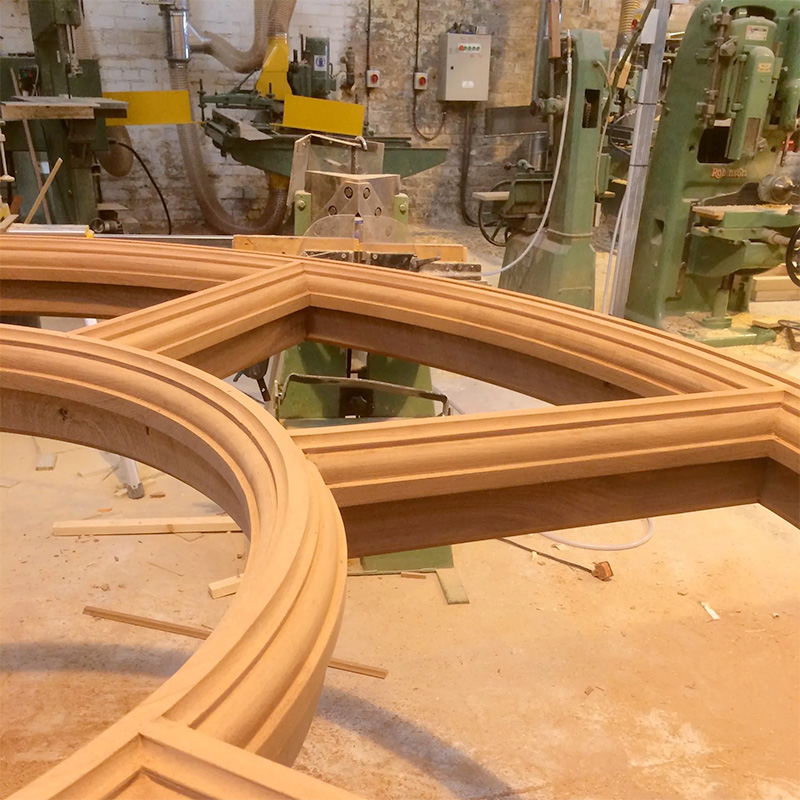
Accoya timber windows resist swelling, warping and rot thanks to an acetylation process that changes the wood at a cellular level. Independent testing shows Accoya outperforms teak, iroko and sapele for stability, and matches or beats oak, iroko, sapele, utile and meranti for durability. GB Joinery manufactures bespoke Accoya windows in sash, flush casement and stormproof styles, with lead times of just 4 to 6 weeks.
Accoya is a modified timber made from sustainably sourced Radiata Pine. It goes through a process called acetylation, which changes the wood’s cell structure to dramatically improve its performance.
During acetylation, free hydroxyls in the wood (the parts responsible for absorbing and releasing moisture) are replaced with acetyl groups. This happens through a reaction with acetic acid.
The result is a timber that barely absorbs water. Less moisture movement means less swelling, less shrinkage and far greater dimensional stability than standard softwood.
Accoya carries a 50-year above-ground warranty and is certified by both FSC and Cradle to Cradle Gold, giving contractors confidence in both performance and sustainability credentials.
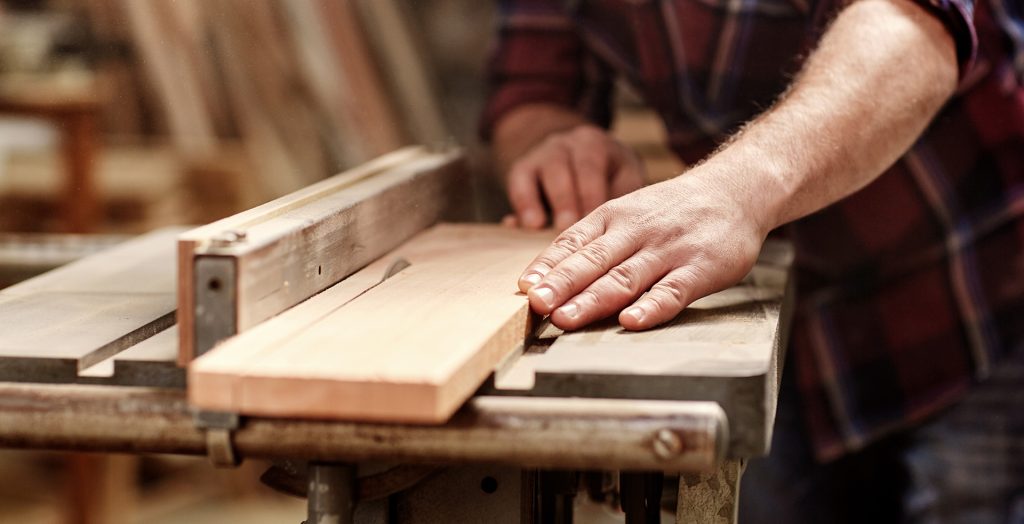
Standard softwood window frames are prone to movement. They absorb moisture, swell, then dry out and shrink again. Over time, this cycle causes joints to open, paint to crack and seals to fail.
Accoya timber windows behave differently. Here’s why:
For contractors, this translates into fewer snagging issues, fewer warranty claims and happier clients.
Accoya isn’t just stable and durable. It also performs well thermally.
Tested thermal conductivity data shows Accoya is:
This matters on site. Accoya is regularly used to achieve A-rated windows under the UK’s BFRC Window Energy Rating scheme, in designs where other timber species would fail to meet the standard. For housebuilders working to tight energy performance targets, this can make the difference between a pass and a fail at building control.
Better thermal performance also means lower energy bills and a more comfortable building for the end user, something that’s increasingly important as energy costs remain a concern for homeowners.
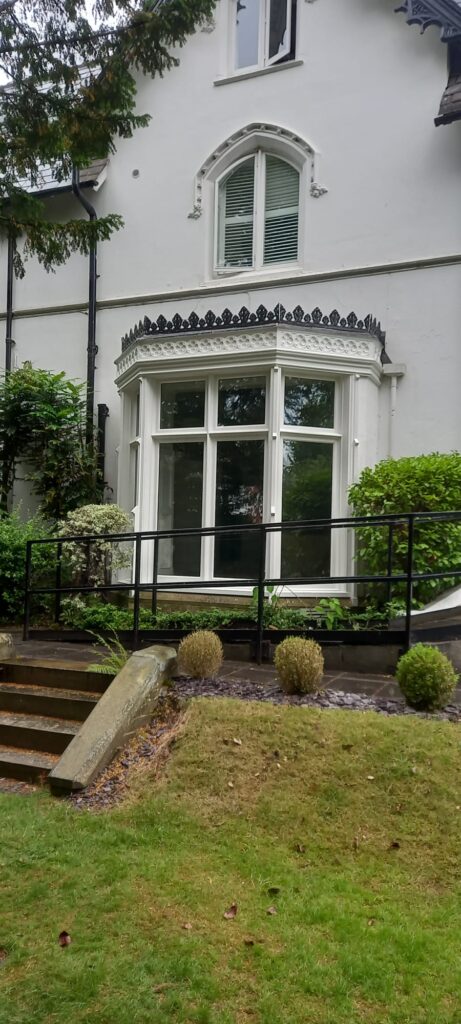
Housebuilders and developers often ask how Accoya compares with other window materials. Here’s a quick breakdown:
| Material | Lifespan | Maintenance | Insulation |
| Standard softwood | 10 to 20 years | High | Good |
| uPVC | 20 to 40 years | Low | Moderate |
| Aluminium | 30 to 45 years | Low | Poor (without thermal break) |
| Accoya timber | At least 60 years | Low | Excellent |
Joinery made from Accoya is not expected to require replacement for at least 60 years, even in exposed or coastal applications. This combination of natural insulation and genuine longevity is difficult to match with uPVC or aluminium alternatives.
GB Joinery is an Accoya specialist, manufacturing from our facility at Unit 7 & 8 The Holygate Centre, Albert Street, Stockport. We serve contractors across Greater Manchester, Cheshire and beyond, with bespoke windows built to exact specifications and lead times of just 4 to 6 weeks.
Our Accoya window range includes:
Timber sliding sash windows designed for period properties and heritage properties. We retain the traditional look while integrating modern double-glazed units and daylight proofing for improved energy efficiency.
Heavy section (94mm) flush casement windows offering a traditional, sleek finish. Popular for conservation areas and period-style new builds alike.
70mm stormproof casement windows with a protruding opening casement, offering strong weather resistance. We also manufacture heritage stormproof windows with single glazing and traditional butt hinges for listed buildings and conservation areas.
All our windows are built on our CNC router, allowing for intricate, bespoke detailing without sacrificing accuracy or lead times.
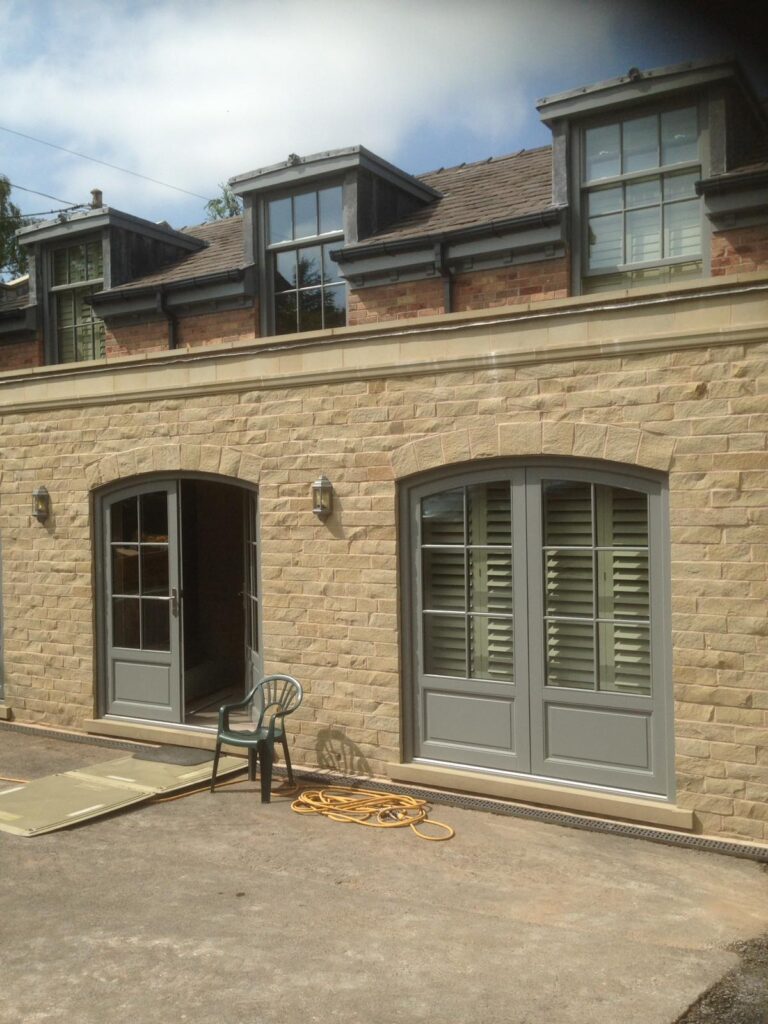
Accoya timber windows typically cost more upfront than standard softwood, though the gap is smaller than with many hardwood alternatives. Over the life of the window, reduced maintenance, fewer repairs and a longer lifespan often make Accoya the more cost-effective choice.
Less than standard timber. Because the wood doesn’t swell or shrink significantly, paint and stain finishes last longer, meaning less frequent repainting and fewer maintenance callouts. The light natural colour of Accoya also means it’s easier to coat, requiring less preparation and sanding than other wood species.
Accoya wood itself carries a 50-year warranty for above-ground use. GB Joinery backs this up with product guarantees of up to 10 years on our manufactured windows.
Yes. Because Accoya can be finished in a wide range of stains and colours to match traditional joinery profiles, it’s well suited to heritage and conservation area projects where planning rules require a specific appearance.
For contractors managing tight schedules and client expectations, material failure is a real risk. Specifying the right timber from the outset reduces that risk significantly.
Accoya timber windows offer:
Combined with GB Joinery’s bespoke manufacturing and 4 to 6 week lead times, Accoya is a specification choice that reduces risk without compromising on design flexibility.
GB Joinery also works closely with sister company Reddish Joinery, whose showroom at Douglas House, 193 Cross Street, Sale, is open for contractors and homeowners to view finishes in person. Together, we combine over 60 years of joinery experience to deliver the best products and advice to the trade.
If you’re specifying windows for your next project and want to discuss Accoya timber windows, sash windows, flush casement or stormproof designs, we’re here to help.
Get in touch with GB Joinery today for a free trade quote:
Choosing between timber windows vs uPVC windows is one of the most common decisions contractors help clients make. Both have...
Read MoreGlazing can transform a bespoke timber front door, bringing natural light into an entryway while adding character and complementing the...
Read MoreA front door can have a significant influence on the character of a period property. Panel layout, mouldings, glazing and...
Read MoreFor most replacement window projects, Accoya is the strongest all-round choice. It offers the dimensional stability of a hardwood, the...
Read More

.png/v1/fill/w_180,h_180/yell-logo-full-bleed-190%20(002).png)
